 Garage
Why You Should Change Your Motocross Tires at the Start of the Season in May
As the MX season kicks off in May, your motocross tires deserve a serious inspection — here's why replacing them now is a decision rooted in safety and performance.
Why You Should Change Your Motocross Tires at the Start of the Season in May
May finally marks the return to the tracks in Quebec. After a long winter, the temptation to roll your bike out of the garage and hit the trails immediately is real. But before you carve your first corner, ask yourself one critical question: what condition are your motocross tires in? Too often overlooked, tires are the only contact point between your machine and the ground. Worn or degraded tires directly compromise your safety and performance. Here's why buying new tires at the start of the season is a decision you won't regret.
What Winter Does to Your Motocross Tires
Even stored in a dry, heated garage, your bike is not immune to the effects of time. Rubber is a living material that reacts to temperature fluctuations, humidity, and natural aging. In Quebec, winters are particularly harsh: freeze-thaw cycles combined with a long period of inactivity significantly accelerate compound degradation.
The Concrete Effects of Aging
- Compound hardening: Rubber loses its flexibility and elasticity, reducing grip in all conditions.
- Micro-cracks: The sidewalls and tread can develop small crevices invisible to the untrained eye, but which weaken the tire's structure.
- Flat spots: A tire left inflated in the same position for five or six months can develop a flat spot, affecting directional behavior.
- Pressure loss: The natural permeability of rubber causes pressure to drop gradually, even without a puncture.
A motocross tire that has sat through winter is not necessarily in good shape, even if it shows little visible wear. Safety must take priority over short-term savings.
Choosing the Right Tire for May Conditions in Quebec
In May, Quebec tracks are often wet, heavy, and soaked from snowmelt. This is precisely when choosing the right type of tire becomes critical for your safety and riding enjoyment.
The Soft Tire: Ideal for Early Season
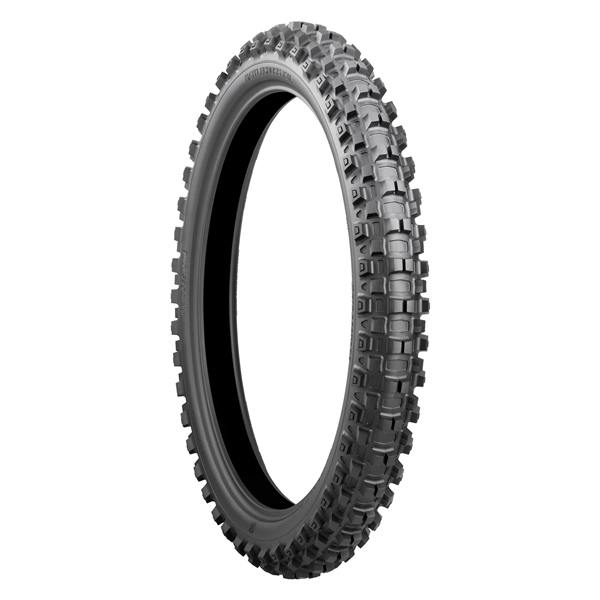
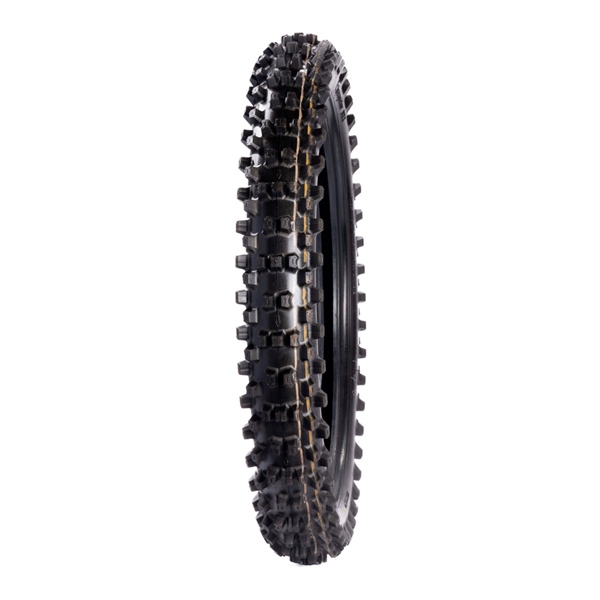
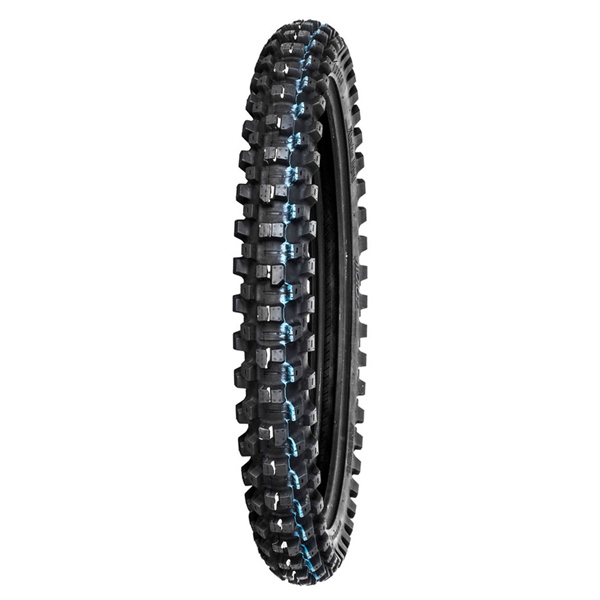
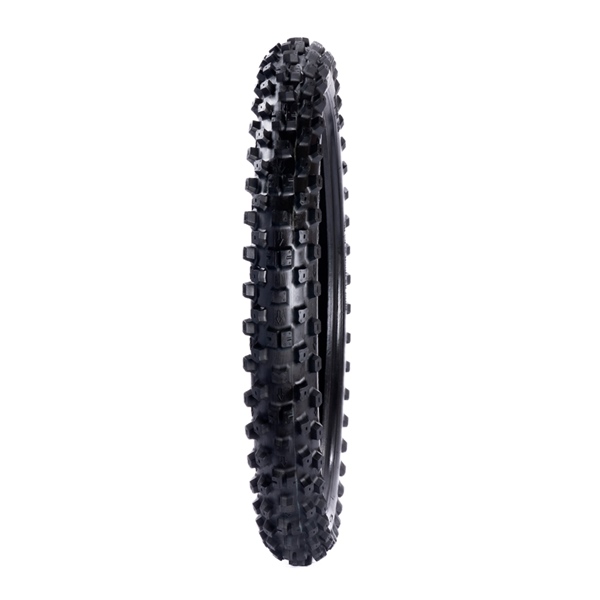
A soft tire is designed for loose, muddy, and waterlogged terrain. Its wide, deep knobs anchor into the ground for optimal traction. In May, when trails are still saturated with water, a soft tire can make a massive difference in terms of control and safety. The softer compound grips unstable surfaces better and provides more rider feedback.
The Intermediate Tire: The MX Swiss Army Knife
The intermediate tire is often recommended for riders who tackle varied terrain. It combines medium-height knobs with a versatile compound capable of performing on slightly wet terrain as well as a firming-up track. For a rider who doesn't want to juggle multiple tire sets throughout the season, it's often the best purchase in terms of performance-to-versatility ratio.
How to Choose Between Soft and Intermediate?
- Analyze the tracks you frequent most often.
- Check the weather and soil conditions before each ride.
- When in doubt, the intermediate remains the safest choice for most recreational and competitive riders in Quebec.
- Competitive MX riders will often benefit from owning both types to adapt to race-day conditions.
Invisible Wear: How to Evaluate Your Current Tires
Even if your tire has seen few kilometers last season, several indicators should put you on alert. Inspect the knobs: if they are rounded, flattened, or worn to less than 50% of their original height, traction is compromised. Also check the sidewalls for any cracking or bulging. A motocross tire showing these signs must be replaced immediately — there is no negotiating with your safety.
On competitive MX circuits, a worn tire can also lead to violent crashes in bermed corners or upon jump landings. The risk is not just losing lap time — it is your physical well-being on the line.
Recommended Replacement Frequency in MX
Unlike road tires, motocross tires wear very quickly due to the extreme stresses they endure. In general:
- Occasional riders (weekends): replace tires each season or every 10 to 15 ride days.
- Regular riders and competitors: some change their rear tire after every race moto, or every 3 to 5 intensive ride days.
- Front tire: it wears more slowly, but must still be inspected regularly as it handles steering.
Starting the season with new tires gives you a reliable baseline to calibrate your riding and find your reference points correctly.
Buying MX Tires: What You Need to Know
When making your purchase, make sure to follow the dimension specifications recommended by your bike's manufacturer. Also consult other riders who frequent the same tracks as you — their hands-on feedback on a soft or intermediate tire in your local conditions is invaluable. At Mathias Power Parts, our team of enthusiasts is here to guide you toward the best choice based on your rider profile and usual terrain.
Conclusion: Don't Compromise Your Safety on the Very First Run
The MX season in Quebec is short and precious. Every ride day counts. Heading out with degraded tires means not only risking an accident, but also missing out on the best sensations your bike can offer. Investing in new tires at the start of the season in May means investing in your safety, your performance, and your enjoyment throughout the summer.
Ready to hit the ground running? Explore our full selection of motocross tires — soft, intermediate, and hard — suited to all conditions and budgets. Visit mathiaspowerparts.com or come see us in store in Saint-Mathias-sur-Richelieu. Our team is ready to help you make the right purchase before your first ride of the season.
💬 Comments (0)
Sign in to leave a comment
Sign inLoading…