 Garage
Trail Protection: Which Crash Bars to Choose for Your Next Off-Road Adventure?
Heading off-road and want to keep your bike in one piece? We break down how to choose the right crash bars to protect your machine on any terrain.
Trail Protection: Which Crash Bars Should You Choose for Your Next Off-Road Adventure?
You know that moment — you lean into a muddy corner a little too hard, the wheels slide out, and down goes the bike. It happens to the best of us. The difference between walking away with a scuffed plastic panel versus a cracked engine case, a punctured radiator, and bent levers often comes down to one thing: a good crash bar. In this buying guide, we help you cut through the noise so you can pick the right protection for your riding style and budget.
Why Crash Bars Aren't Just for Riders Who Fall a Lot
Let's get one thing straight: installing crash bars isn't admitting you can't ride. It's a smart decision. Even experienced off-road riders go down. Quebec's trails — especially after spring thaw or a heavy rain — can be unpredictable. Roots, mud, rocks — it all adds up.
A well-placed crash bar protects:
- The engine and crankcases
- The radiator (often the most expensive part to replace)
- Levers and footpegs
- The frame itself, in some cases
Simply put, you spend a little now to avoid spending a lot more after a crash. Smart riding starts before you even hit the trail.
Types of Crash Bars: Match Them to Your Riding
Engine Guards
The most common type. These crash bars wrap around the lower engine area and protect the crankcases during a side drop. They're ideal for technical trail riding where lateral falls happen often. Usually made from steel or aluminum, they bolt directly onto the frame's existing mounting points.
Radiator Guards
For liquid-cooled bikes, the radiator is a prime target in a crash. A solid radiator guard can save your ride — and your wallet. Many brands now combine engine bars and radiator protection into a single package, which is often the smartest buy for water-cooled machines.
Dual-Use Crash Bars
This is where things get interesting. Dual-use systems are built for riders who split time between trails and pavement. They offer solid protection without adding excessive weight or hurting maneuverability. If you're an adventure rider — say you leave home, cruise down the highway, then hit the dirt — this type of setup makes a lot of sense.
Material Comparison: Steel vs. Aluminum
When shopping for crash bars, you'll quickly run into this classic debate. Here's a simple comparatif to guide you:
- Steel: Heavier, but absorbs hard impacts better. Ideal for aggressive off-road use. Watch for corrosion in Quebec's wet spring conditions.
- Aluminum: Lighter, rust-resistant, but can deform under heavy impact. Great for moderate trail riding and weight-conscious builds.
- Stainless Steel: Best of both worlds for durability, but typically the priciest option.
Given Quebec's freeze-thaw cycles and salty spring roads, aluminum or stainless steel will give you fewer headaches in the long run.
Brands Worth Knowing
Several serious brands stand out in the market. Without diving into a full model-by-model comparison (it varies by bike), here's what we regularly see with our customers:
- Touratech — the benchmark for adventure and dual-use protection, premium quality
- SW-Motech — excellent value, wide compatibility range
- Moose Racing — popular for pure off-road use, solid bars at a fair price
- Acerbis — a great pick for enduro and trail bikes with integrated protection kits
- Polisport — often chosen for full protection package deals
The key is to pick crash bars made specifically for your bike model. A generic bar might work, but custom-fit mounting points will hold up significantly better under impact.
Practical Checklist Before You Buy
Before you pull out your card, think about:
- Compatibility: Confirm the exact model and year of your bike. It's non-negotiable.
- Added weight: Especially relevant if you ride enduro or compete.
- Install difficulty: Most are bolt-on, but some kits may need minor modifications.
- Combined protection: Consider pairing your crash bars with a skid plate — it covers the underside and rounds out your protection setup nicely.
Our Final Take
If you're pushing your bike on technical Quebec trails, invest in serious protection from the start. A good set of crash bars is real, tangible insurance on two wheels. And honestly, seeing your bike properly geared up makes you want to ride even more.
At Mathias Power Parts, we carry a solid selection of crash bars and off-road protection gear suited to local riders' needs. Shop online at mathiaspowerparts.com or come see us in Saint-Mathias-sur-Richelieu — we speak your language and we're here to help you find exactly what fits your machine and your budget.
💬 Comments (0)
Sign in to leave a comment
Sign inLoading…
Recommended by the author
Products from this article
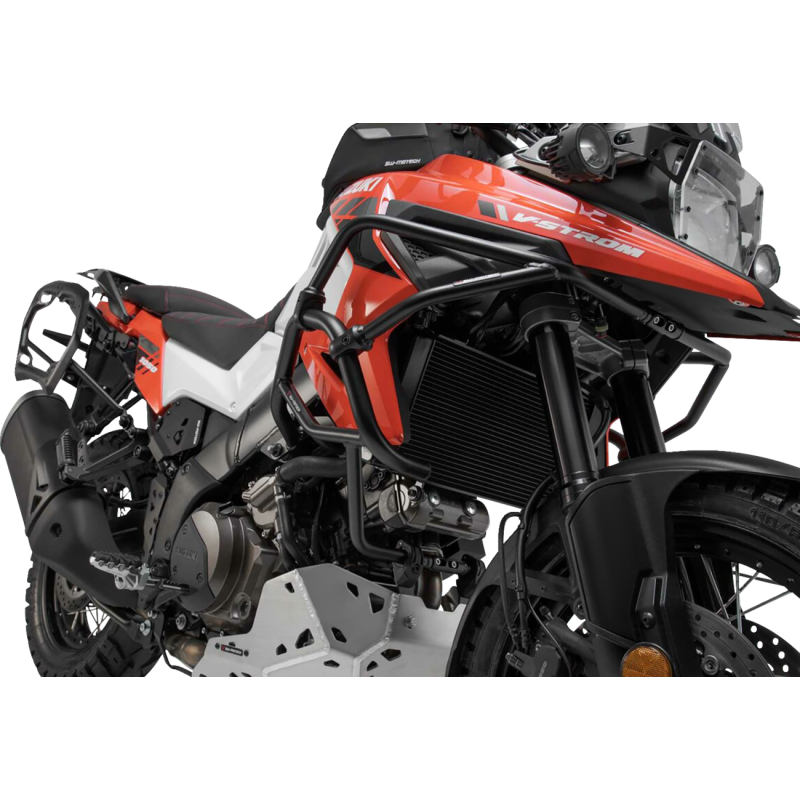 PROMO
PROMOSW-MOTECH
CRASH BAR BK SUZ VSTROM 1050 19
444.95 $
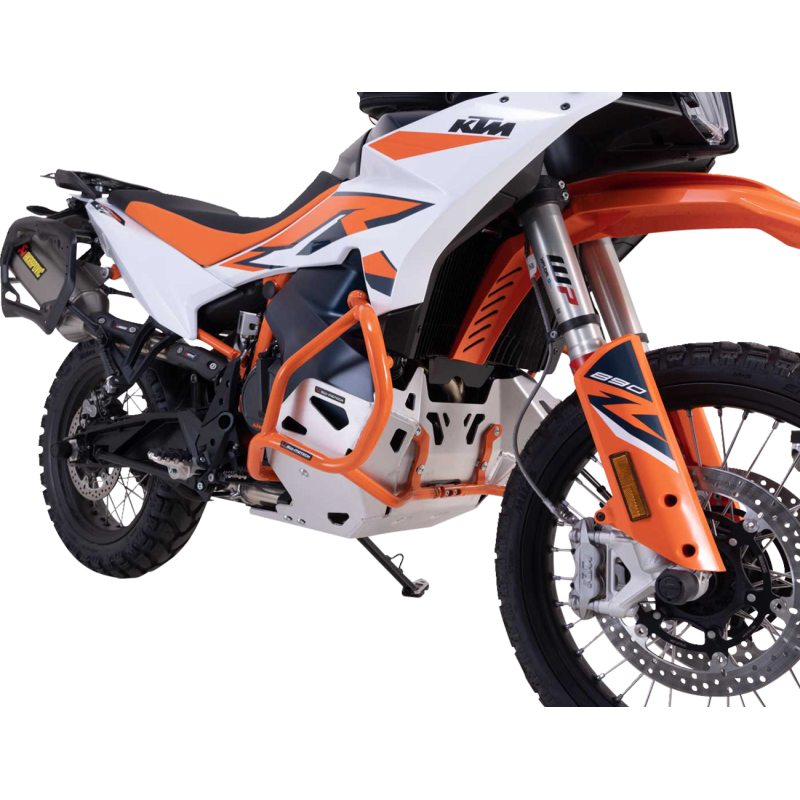 PROMO
PROMOSW-MOTECH
CRASH BAR ORANGE KTM 790 R 1921 890 R 2022
514.95 $
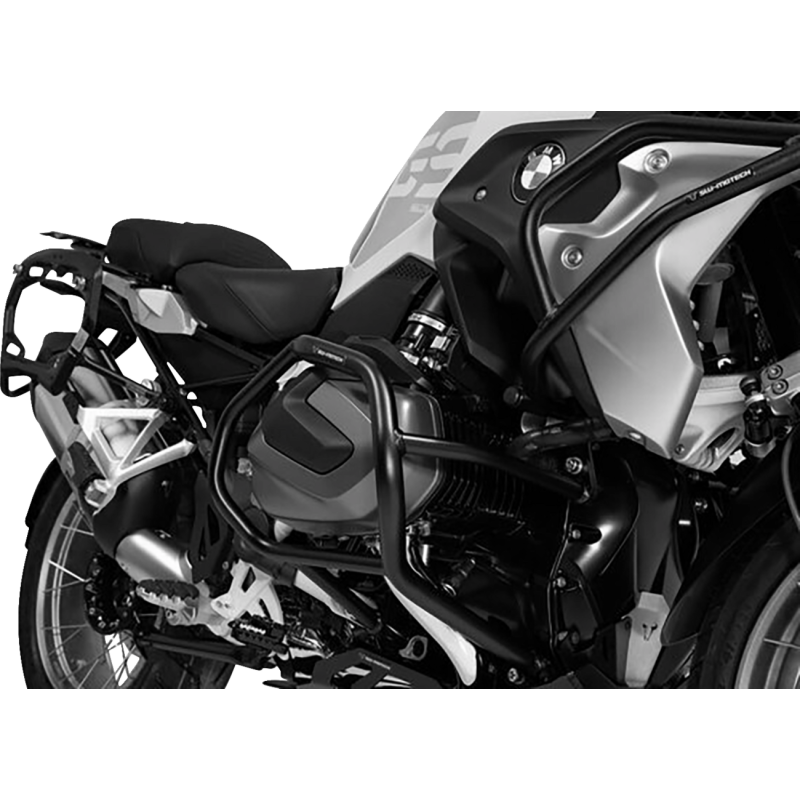 PROMO
PROMOSW-MOTECH
CRASH BAR BK BMW R 1250 GS 18 R1250 R/RS 18
534.95 $
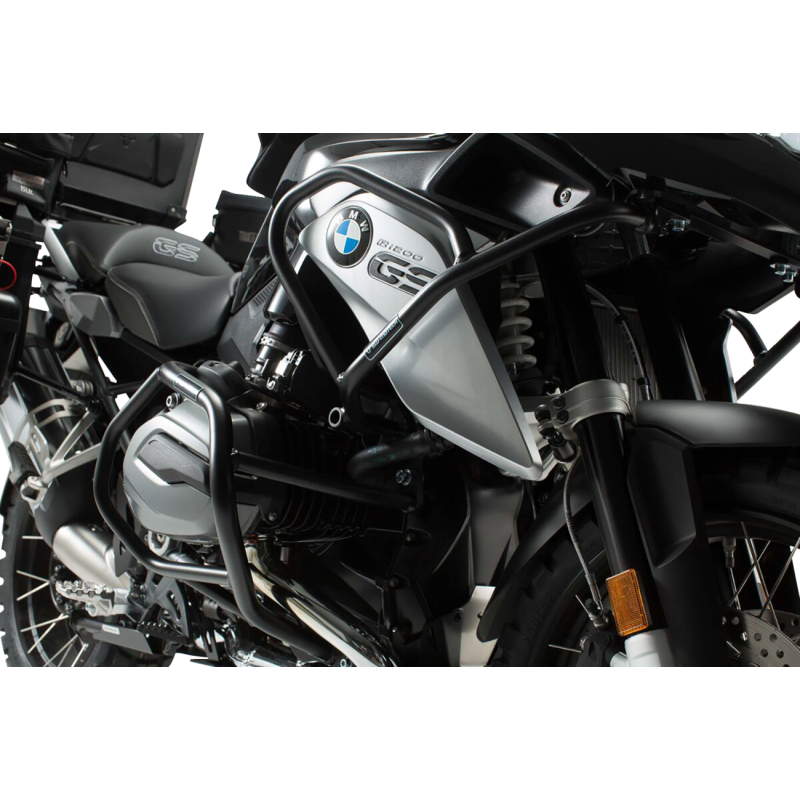 PROMO
PROMOSW-MOTECH
UPPER CRASH BAR BK BMW R 1200 GS 1216
434.95 $
 PROMO
PROMOSW-MOTECH
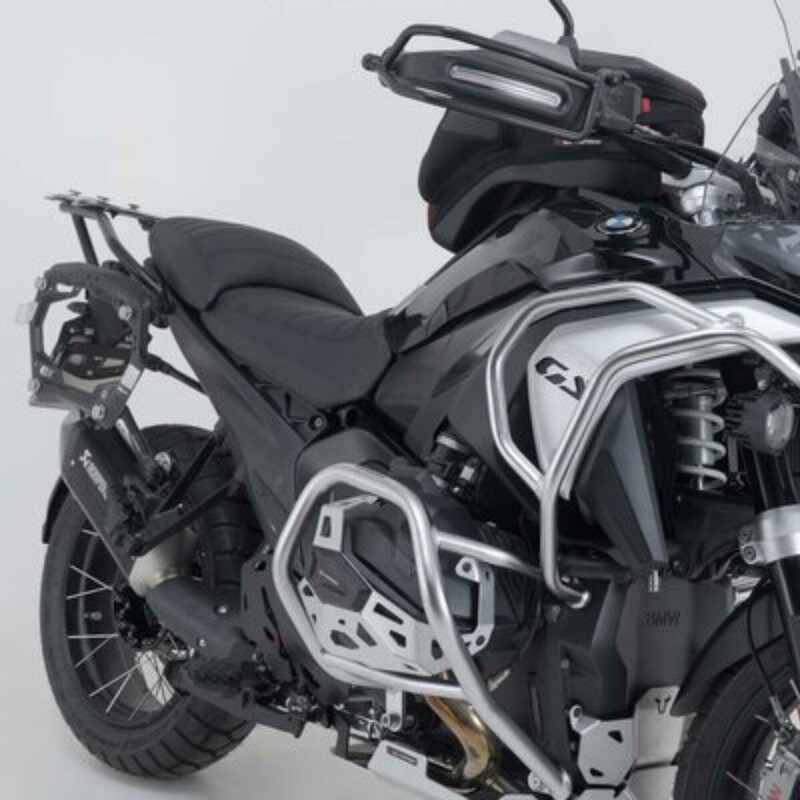
UPPER CRASH BAR SSTEEL BMW R 1300 GS 23
594.95 $
 PROMO
PROMOSW-MOTECH
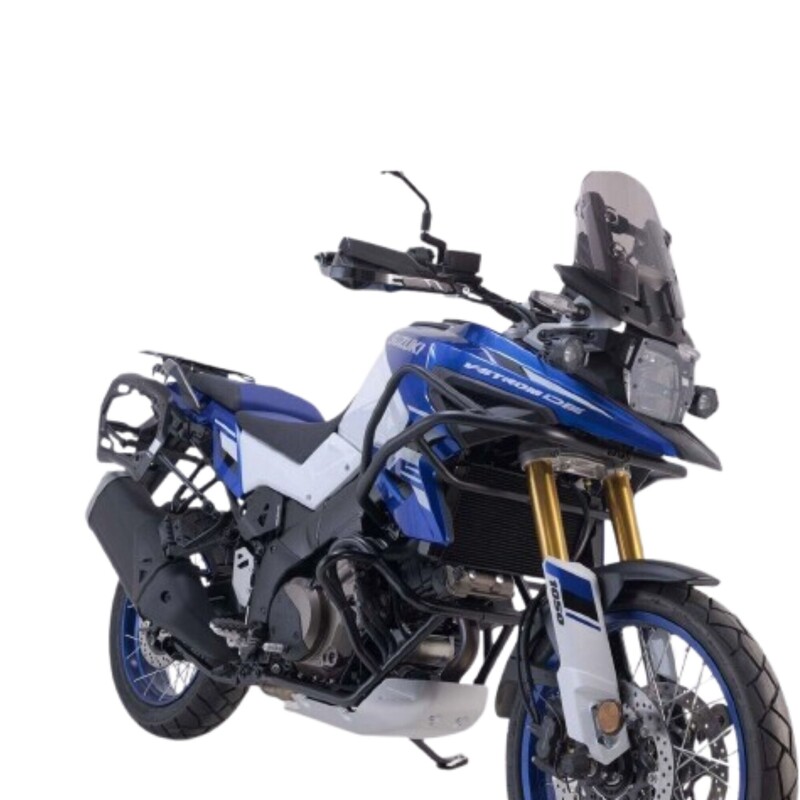
CRASH BAR BK SUZ VSTROM 1050DE 21
454.95 $
 PROMO
PROMOSW-MOTECH
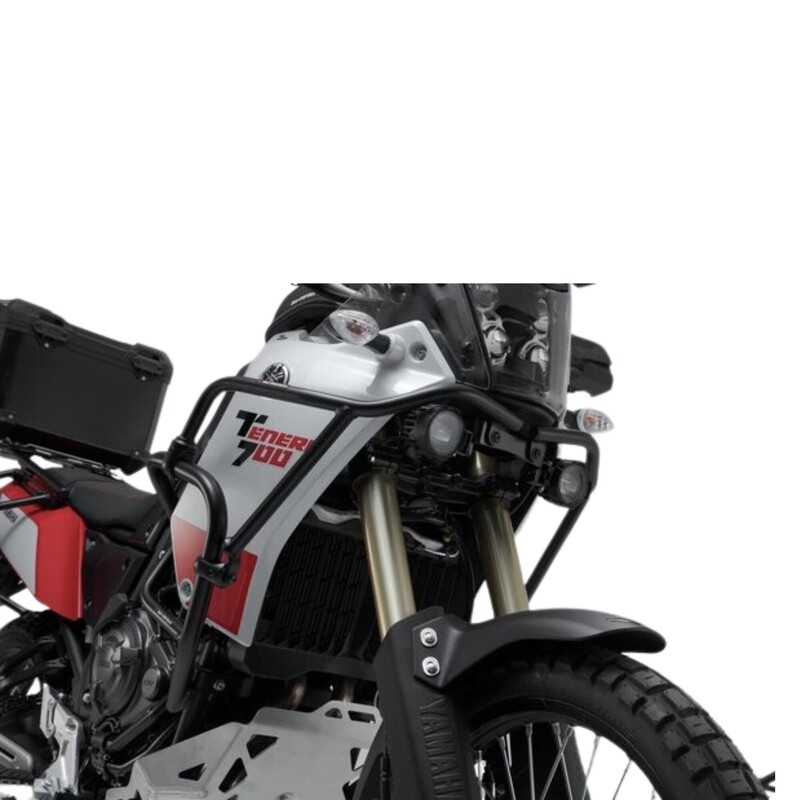
UPPER CRASH BAR BK YAM TENERE 700 19
434.95 $
 PROMO
PROMOSW-MOTECH
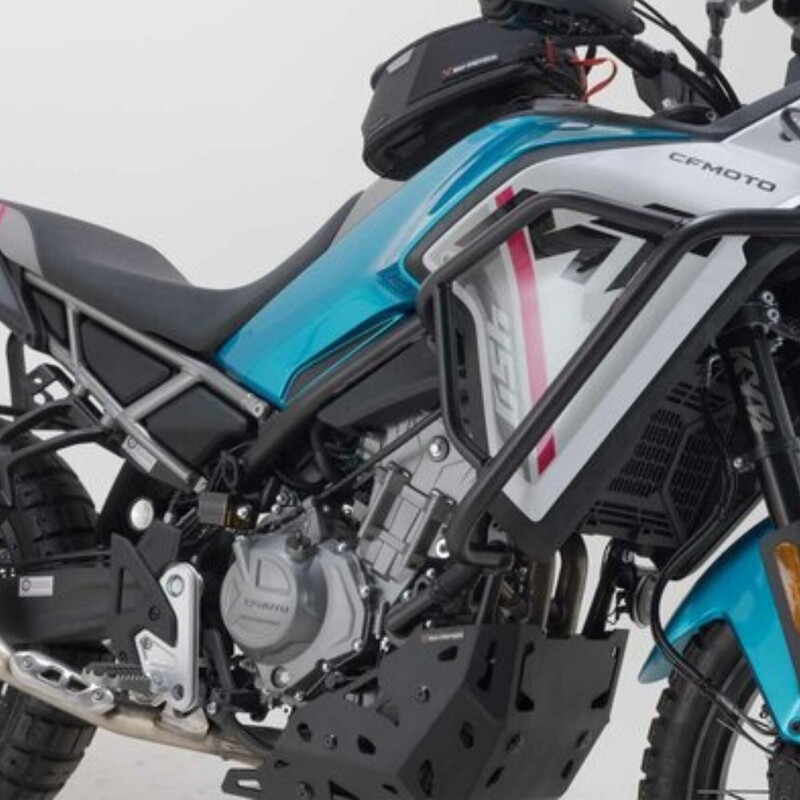
CRASH BARS BK CFMOTO 450MT 23
374.95 $