 Garage
Air Filter: Pre-oiled or Manual Cleaning for Your Motocross Bike?
Should you go with a pre-oiled air filter or stick to manually cleaning and oiling your own motocross filter? We compare both approaches to help you make the best choice for your riding style and budget.
Motocross Air Filter: Pre-Oiled or Manual Cleaning?
The air filter is one of the most critical components on your motocross or enduro bike. It protects the engine from dust, mud, and debris while maintaining optimal airflow for combustion. Yet with today's market offering so many options, many riders find themselves asking the same question: is it better to invest in a pre-oiled, ready-to-use filter, or to keep cleaning and oiling your own filter with the right maintenance products? Here's a technical and practical breakdown to help you decide.
Understanding the Air Filter's Role in Motocross
In motocross and enduro, the air filter operates under extreme conditions. Quebec mud in spring, dry trail dust in summer, damp autumn mornings — the filter takes it all before air reaches the carburetor or fuel injection system. A dirty or poorly oiled filter causes air restriction, incomplete combustion, overheating, and eventually premature engine wear. Regular maintenance of the air filter is not optional — it is an absolute necessity.
The Pre-Oiled Filter: Benefits and Limitations
Pre-oiled filters come in foam or fabric, already impregnated with a calibrated amount of oil. Their appeal lies in simplicity: open the package, install, ride. This solution is especially popular during competitions or for riders who don't have the time or desire to manage a cleaning protocol between every outing.
Advantages of Pre-Oiled Filters
- Significant time savings: ideal before a race or an intense riding day.
- Optimal oil dosage: the manufacturer applies the right amount, eliminating the risk of over-oiling or under-oiling.
- Consistent performance: every installation provides identical conditions with no human variable.
- Travel convenience: no need to carry cleaning products, oil, and gloves to events or trips.
Limitations of Pre-Oiled Filters
- Higher recurring cost: a disposable filter every outing or every couple of weekends adds up to a significant annual cost.
- Environmental impact: single-use filters generate more waste.
- Less control: experienced riders often prefer to adjust the oil level based on terrain conditions.
Manual Cleaning and Re-Oiling: The Traditional Method
The classic method involves removing the filter, cleaning it with a dedicated filter cleaner (never gasoline or compressed air on foam), letting it dry completely, then applying the appropriate filter oil before reinstalling. When done correctly, this approach delivers excellent results at a lower long-term cost.
Advantages of Manual Cleaning
- Substantial savings: a good foam filter can last multiple seasons with proper care, reducing overall mechanical expenses.
- Customization: you adjust the oil level based on conditions — more oil for muddy days, less for dry and dusty terrain to maximize airflow.
- Hands-on knowledge: handling the filter yourself lets you detect tears, worn areas, or foam degradation early.
- More sustainable approach: less waste, fewer frequent purchases.
Mistakes to Avoid During Cleaning
- Never use gasoline or aggressive solvents that degrade the foam adhesive.
- Never blow compressed air through the foam — it creates invisible micro-tears.
- Always let the filter dry completely before oiling. Oiling a still-damp filter results in poor oil adhesion and compromised filtration.
- Always check the filter housing O-ring to prevent unfiltered air bypass to the engine.
Which Choice Matches Your Rider Profile?
The answer isn't universal — it depends on your usage, budget, and level of involvement in your bike's maintenance.
- Competitive or time-pressured riders: pre-oiled filters are an excellent option for consistent race-weekend performance without losing time.
- Weekend warriors or recreational enduro riders: manual cleaning makes more economic sense. With a solid maintenance routine, annual costs are significantly lower.
- Quebec riders facing spring and fall mud sessions: combining both approaches is smart — pre-oiled filters for the most demanding days, manual cleaning for standard outings.
Maintenance Frequency: What the Mechanics Demand
In motocross on sandy or dusty tracks, some professional riders clean or swap their filter after every moto. In enduro through Quebec forest, checking after each outing and doing a full cleaning every two to three riding days is generally recommended. After deep mud crossings or heavy rain, always inspect the filter immediately afterward. No fixed schedule replaces regular visual inspection.
Conclusion: Adopt a Strategic Approach
There's no wrong answer between pre-oiled and manual cleaning — there's simply the choice that fits your riding reality. What is certain is that a neglected filter costs infinitely more in engine repairs than in maintenance products. Whether you prioritize convenience or savings, invest in quality products and respect your machine.
At Mathias Power Parts, we carry a complete selection of air filters, filter oils, and cleaning products suited for your motocross, enduro, and other powersports vehicles. Our technical advisors are here to help you find the right product for your specific model and Quebec riding conditions. Shop online at mathiaspowerparts.com or visit us in Saint-Mathias-sur-Richelieu — we're riders just like you.
💬 Comments (0)
Sign in to leave a comment
Sign inLoading…
Recommended by the author
Products from this article
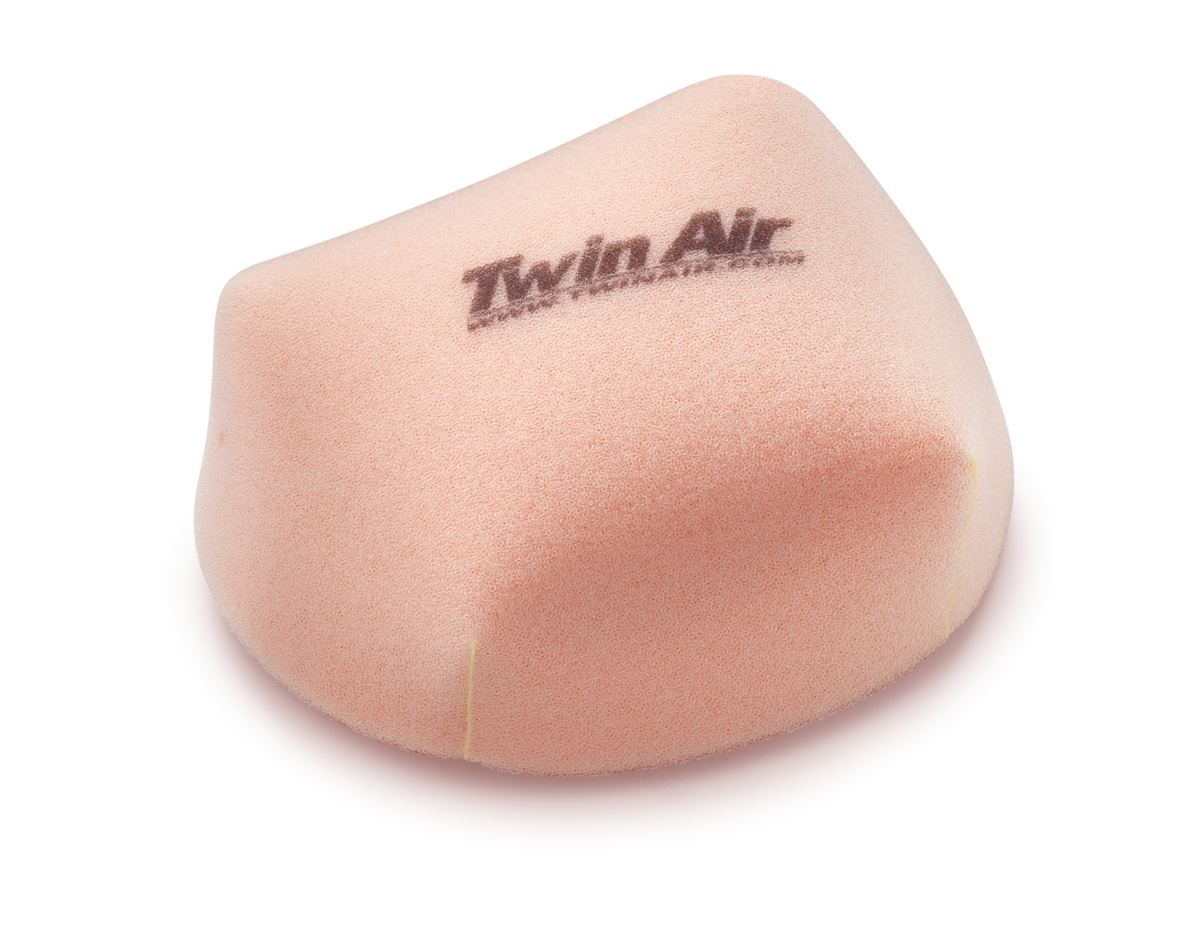
KTM
Surfiltre anti-humidité pour filtre à air
25.73 $
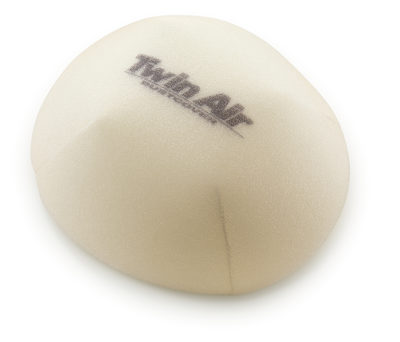
KTM PowerParts
Surfiltre anti-poussière filtre à air
32.88 $
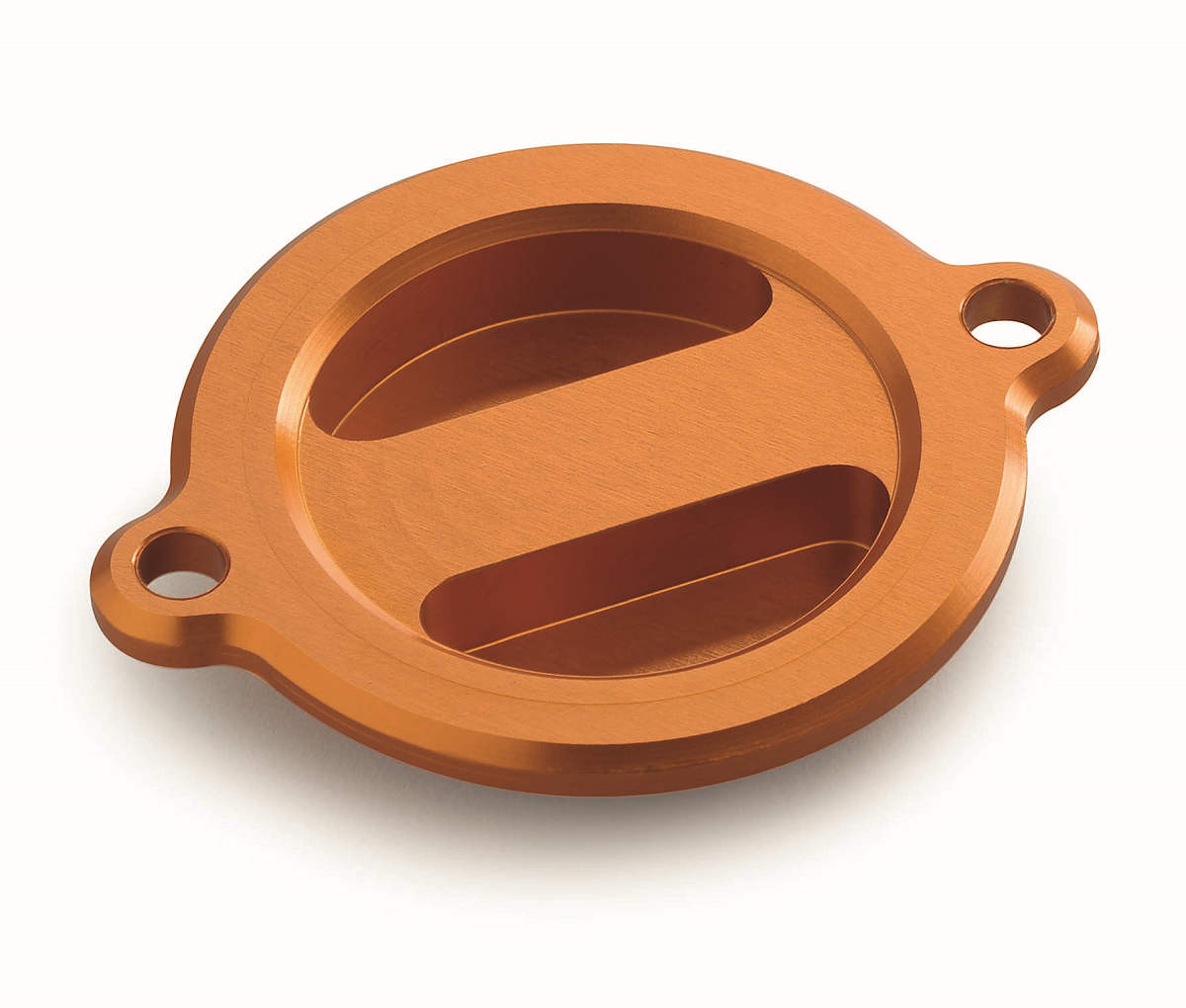
KTM
Carter de filtre à huile Factory Racing
62.39 $
 PROMO
PROMOProFilter
Air Filter Ready to use
20.69 $
 PROMO
PROMOProFilter
Air Filter Ready to use
24.29 $
 PROMO
PROMOTwinAir
Dual Stage Air Filter
51.29 $
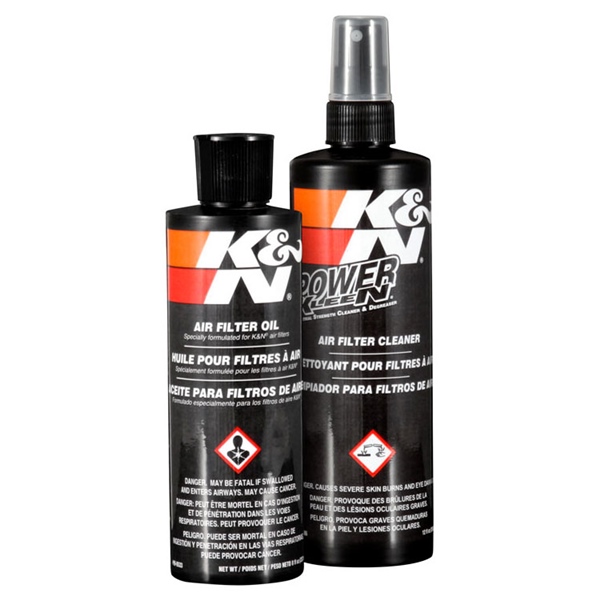
KN
Filter Care Service Kit
23.99 $