 Garage
Off-Road Navigation: Standalone GPS vs. Smartphone Apps
Torn between a dedicated GPS and your smartphone for off-road trips? This article compares the durability, reliability, and cost of each option to help you choose the best navigation tool for your motorcycle, ATV, or snowmobile adventures.
Off-Road Navigation: Standalone GPS vs. Ruggedized Smartphone Apps
Off-road adventure, whether on a motorcycle, ATV, or snowmobile, demands reliable navigation. Getting lost on Quebec's trails, far from any cell signal, can quickly turn an exciting ride into a perilous situation. This raises a key question: should you invest in a dedicated standalone GPS unit or trust your smartphone equipped with a specialized app? This comparison breaks down the strengths and weaknesses of each solution to help you make the right choice.
The Standalone GPS: The Trail Specialist
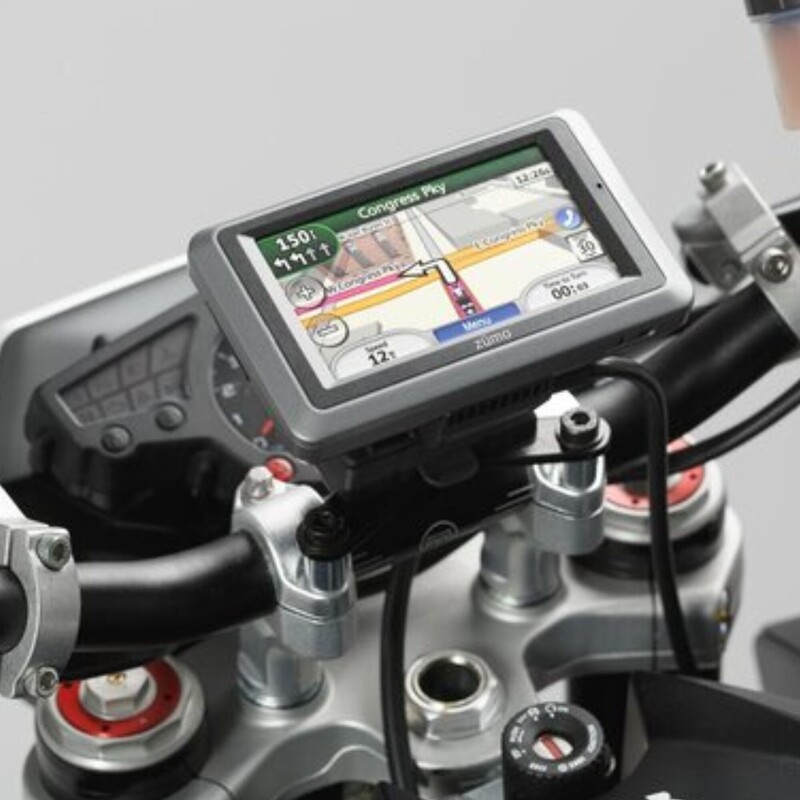
Dedicated GPS units, like those from Garmin or Trail Tech, are engineered with a single purpose: to guide you through the most extreme conditions. They are the preferred tools for many enduro GPS enthusiasts and long-distance adventurers.
Advantages of a Dedicated GPS
- Unmatched Durability: Built to withstand vibrations, shocks, dust, and water (often IPX7 rated), they are proofed against muddy spring trails and winter snowstorms. A smartphone, even in a good case, remains more fragile.
- Reliability and Battery Life: A GPS is a single-task device. It won't crash because of a notification or a phone call. Its battery lasts much longer, and it can be wired directly to the vehicle's 12V battery for unlimited power.
- Optimal Screen Visibility: The transflective screen is designed to be perfectly readable in direct sunlight, a critical area where smartphone screens often struggle. Furthermore, the interface is designed to be used with gloves on.
- Precision and Features: Equipped with high-sensitivity GPS chips, they maintain a signal even under dense forest canopy. They offer advanced functions like track recording (GPX), waypoint management, and often come with pre-loaded topographic maps. This is the standard for serious motorcycle trail navigation.
Disadvantages of a Dedicated GPS
- Initial Cost: The upfront investment is significantly higher than for a mobile app.
- Map Updates: Depending on the model, map updates can be costly and less frequent than on apps.
- User Interface: The user experience can feel dated and less intuitive than modern smartphone applications.
The Smartphone: The Navigation Swiss Army Knife
With powerful applications like Gaia GPS, onX Offroad, or OsmAnd, your phone can become a formidable navigation tool. It's an increasingly popular solution, but one that comes with significant compromises.
Advantages of a Smartphone
- Versatility and Cost: You already own the device. The cost is limited to an all-terrain navigation app (often a modest annual subscription) and a good, rugged mount. It also serves as your camera, emergency phone (where there's signal), and music player.
- Screen and Map Quality: High-resolution screens offer exceptional viewing comfort. Maps are constantly updated, with options for satellite and 3D views that are impossible on most dedicated GPS units.
- Ease of Use: The touch interface is familiar, and planning a route is often simpler and faster.
Disadvantages of a Smartphone
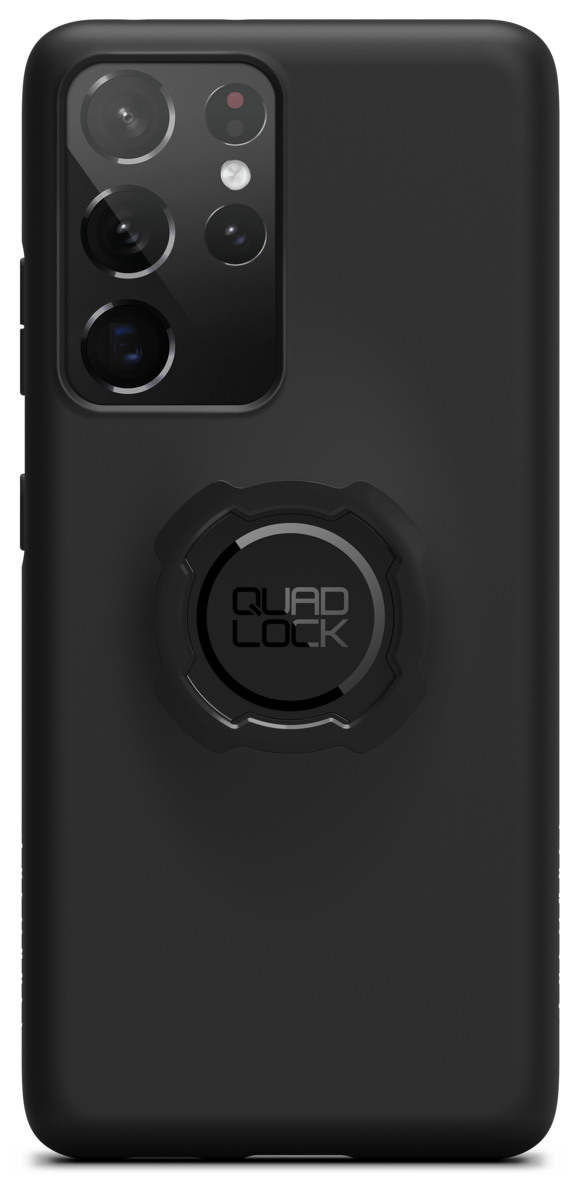
- Fragility: This is its Achilles' heel. Even with an excellent case, it remains vulnerable to the intense vibrations and hard drops common in off-road motorcycle GPS use.
- Battery Life: Using the GPS and screen at full brightness drains the battery at an alarming rate. An external power source (power bank or vehicle connection) is absolutely essential.
- Sensitivity to Elements: Smartphones can overheat and shut down in the sun, or their battery life can plummet in cold weather—a well-known reality of the Quebec winter. Rain can also render the touchscreen unusable.
- Visibility and Usability: Readability in direct sunlight is often poor due to glare, and use with gloves, even compatible ones, remains imprecise.
The Verdict: Standalone GPS vs. Smartphone?
The answer to the standalone GPS vs smartphone debate depends entirely on your riding style and needs.
The standalone GPS is for you if:
- You ride enduro, rallies, or multi-day expeditions in remote areas.
- Absolute reliability and ruggedness are your number one priorities.
- You are unwilling to compromise on screen readability and battery life.
A ruggedized smartphone is a viable option if:
- You are a casual rider who sticks to known or less demanding trails.
- Your budget is tighter, and you appreciate the versatility of an all-in-one device.
- You are willing to invest in a very high-quality mount, a waterproof case, and a reliable power solution.
Many experienced riders use a hybrid approach: a dedicated GPS as the primary tool for track-following and reliability, with a smartphone as a backup for its detailed satellite maps or for planning.
Equip Your Machine for Adventure
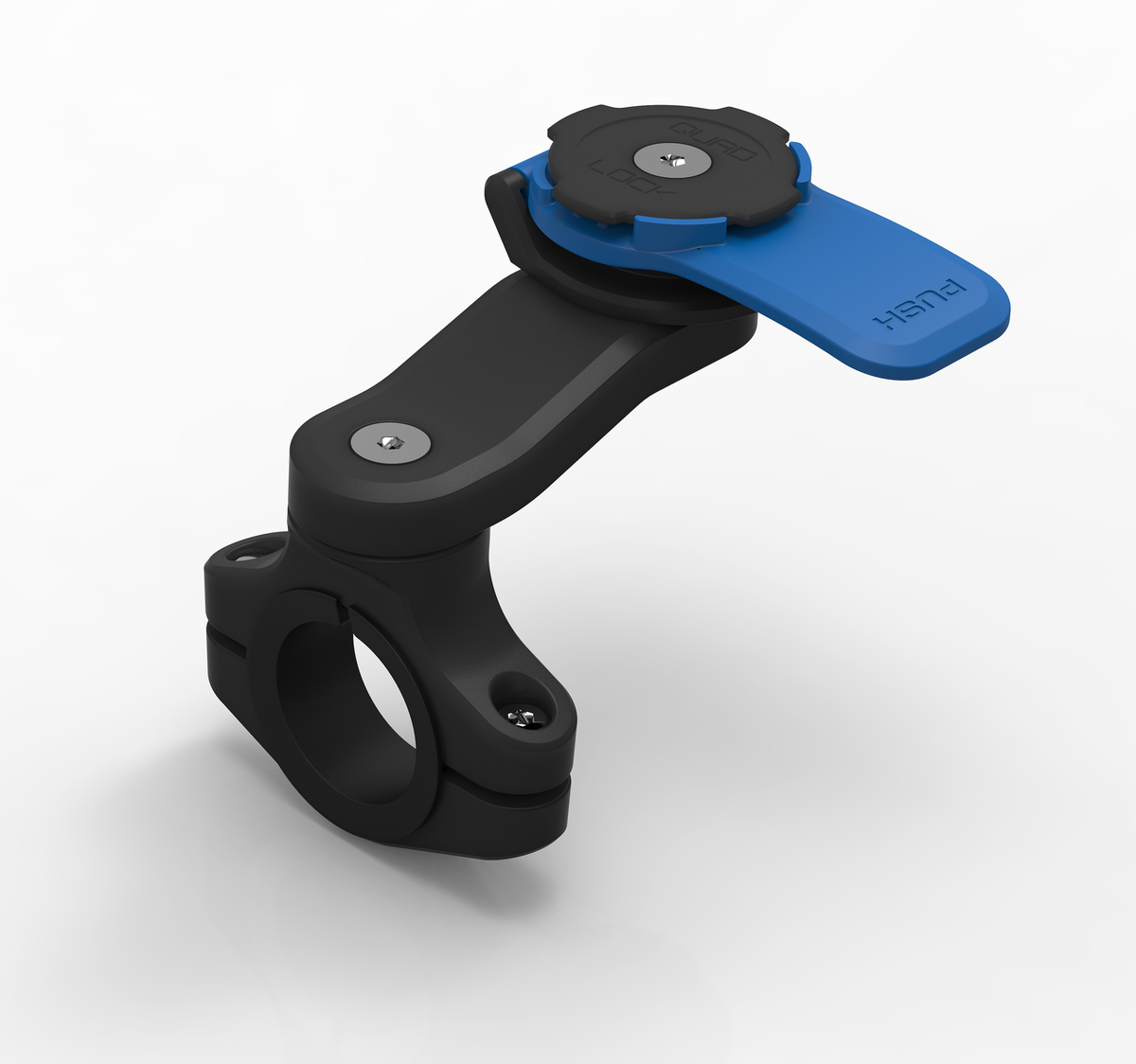
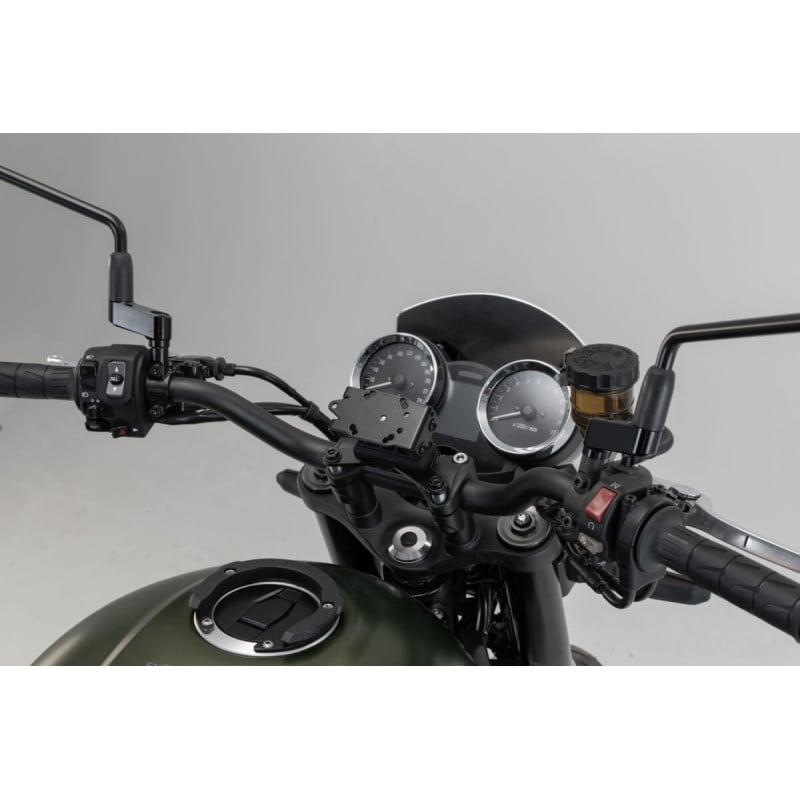
Whether you choose a dedicated GPS or your phone, a secure mounting system is critical to protect your equipment. The vibrations from a motorcycle or ATV can damage even the most robust electronics.
At Mathias Power Parts, we understand these challenges. That's why we offer a wide selection of RAM Mounts, waterproof USB chargers, and other mounting accessories designed to withstand the toughest conditions. Protect your investment and navigate with confidence.
Visit MathiasPowerParts.com today to find the perfect navigation setup for your next off-road adventure!
💬 Comments (0)
Sign in to leave a comment
Sign inLoading…