 Garage
Trail / Enduro Tires: How to Choose the Right Knob for the Terrain (Mud, Rock, Sand)
Looking for the perfect enduro tire? We'll guide you in choosing the best knob for the terrain, whether you're riding in mud, rocks, or sand. Simple tips to maximize your grip and fun.
Trail / Enduro Tires: How to Choose the Right Knob for the Terrain
Hey rider! If you're reading this, you've probably already realized that the only thing connecting your machine to the trail is your tires. Choosing the right enduro motorcycle tire isn't just about looks; it's THE key to having fun safely, whether you're in deep spring mud or on dry summer rocks. At Mathias Power Parts, we've seen it all, so we've put together a simple guide to help you see clearly.
Understanding the Basics: Knobs, Compound, and Carcass
Before diving in, let's talk jargon. Three things define an off-road tire:
- The Knobs: Their height, shape, and especially their spacing change everything. Widely spaced knobs clear mud better, while closely packed knobs offer a larger contact patch on hard surfaces.
- The Compound: This is the rubber mix. A soft compound literally sticks to the terrain but wears out quickly. A hard compound lasts longer and is perfect for hard, fast-rolling terrain. An intermediate compound is the all-around compromise.
- The Carcass: This is the tire's structure. A more flexible carcass conforms better to obstacles like rocks and roots.
The Right Tire for the Right Terrain: Mud, Rock, or Sand?
The secret is to match your tire to where you ride most often. A good all-terrain trail tire comparison will quickly show you that there's no magic tire, just the right tool for the job.
For Mud and Soft Terrain
Ah, the beautiful Quebec mud in the spring! To get through it, you need aggression.
- Characteristics: Look for tires with tall, widely spaced knobs. Imagine a paddle wheel that digs in and cleans itself as it spins.
- Compound: A soft or intermediate compound is ideal for finding grip on slippery roots and rocks hidden under the mud.
- Pro Tip: Don't be afraid to lower your pressure a bit to increase the contact patch, but watch out for pinch flats!
For Rocks, Roots, and Technical Terrain
Here, finesse is key. You need a tire that acts like a gecko's hand, not a shovel.
- Characteristics: Smaller, more closely packed knobs with a flexible carcass. The goal is to maximize the rubber surface area in contact with the rock. The knob edges should be sharp to bite into obstacles.
- Compound: A soft or extra-soft (gummy) compound reigns supreme here. It offers phenomenal grip but wears down very quickly on faster sections or pavement.
- Pro Tip: This is the preferred terrain for "Hard Enduro" type tires.
For Sand and Very Loose Terrain
Riding in sand is like boating: you need to float. Your rear tire must propel, and your front tire must steer without digging in.
- Characteristics: For the rear, a "paddle tire" is the ultimate weapon, with its large transverse scoops. For the front, look for a tire with knobs that offer good directional stability to prevent the wheel from washing out.
- Compound: An intermediate or hard compound is often sufficient, as the knob shape does all the propulsion work.
- Pro Tip: In the sand, speed is your friend! Keep your momentum up to avoid getting bogged down.
Tire Pressure: Your Best (and Cheapest) Adjustment
We can't say it enough: enduro motorcycle tire pressure is crucial. It's the single adjustment that has the most impact on your bike's handling.
- Technical Terrain (rocks, mud): Between 8 and 12 PSI. This allows the tire to flatten out and grip. Consider installing tire balls or a Tubliss system to prevent flats.
- Standard Trail / Mixed Terrain: Between 12 and 15 PSI. This is a good compromise between grip and flat resistance.
- High Speed / Road Sections: 15 PSI and up, to prevent overheating and improve stability.
What About Street-Legal Enduro Tires?
If your adventures take you on pavement between trails, you absolutely must have a street-legal enduro tire (marked with DOT). These tires are designed as a compromise: they are durable enough for the road but still have aggressive enough knobs to perform on the trail. They are often classified by their road/trail ratio (e.g., 50/50, 80/20 trail/road).
Conclusion: The Perfect Tire is YOUR Tire!
Choosing the right enduro tire means honestly analyzing where you ride 80% of the time. A mud tire will be unpleasant on rock, and a rock tire will wear out in no time in the sand. Don't be afraid to experiment with pressure; it's fundamental! The important thing is to mount a tire that gives you confidence so you can focus on what matters: enjoying your ride!
Ready to find the perfect pair of tires for your next outing? Shop our wide selection of trail and enduro tires at mathiaspowerparts.com or visit us in-store. Our team is here to give you the best advice!
💬 Comments (0)
Sign in to leave a comment
Sign inLoading…
Recommended by the author
Products from this article
 PROMO
PROMOMotoZ
Tire Euro Enduro 6
260.99 $
 PROMO
PROMOMotoZ
Tractionator Enduro S/T Gummy BFM Tire
260.99 $
 PROMO
PROMOMitas
Enduro Trail XT+ Dakar Motorcycle Tire
260.99 $
 PROMO
PROMOMotoZ
Tractionator Enduro I/T BFM Gummy Tire
260.99 $
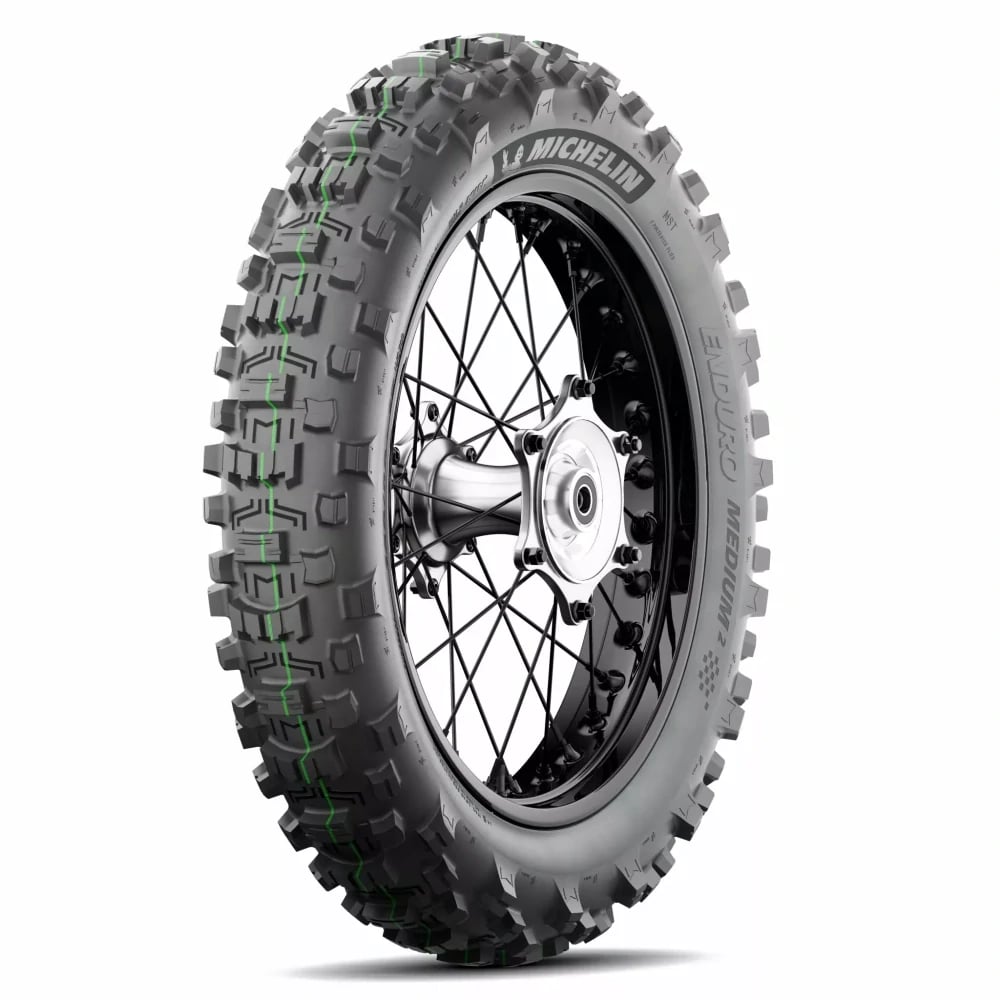
MICHELIN
140/80-18 70R TT ENDURO MEDIUM REAR
232.95 $
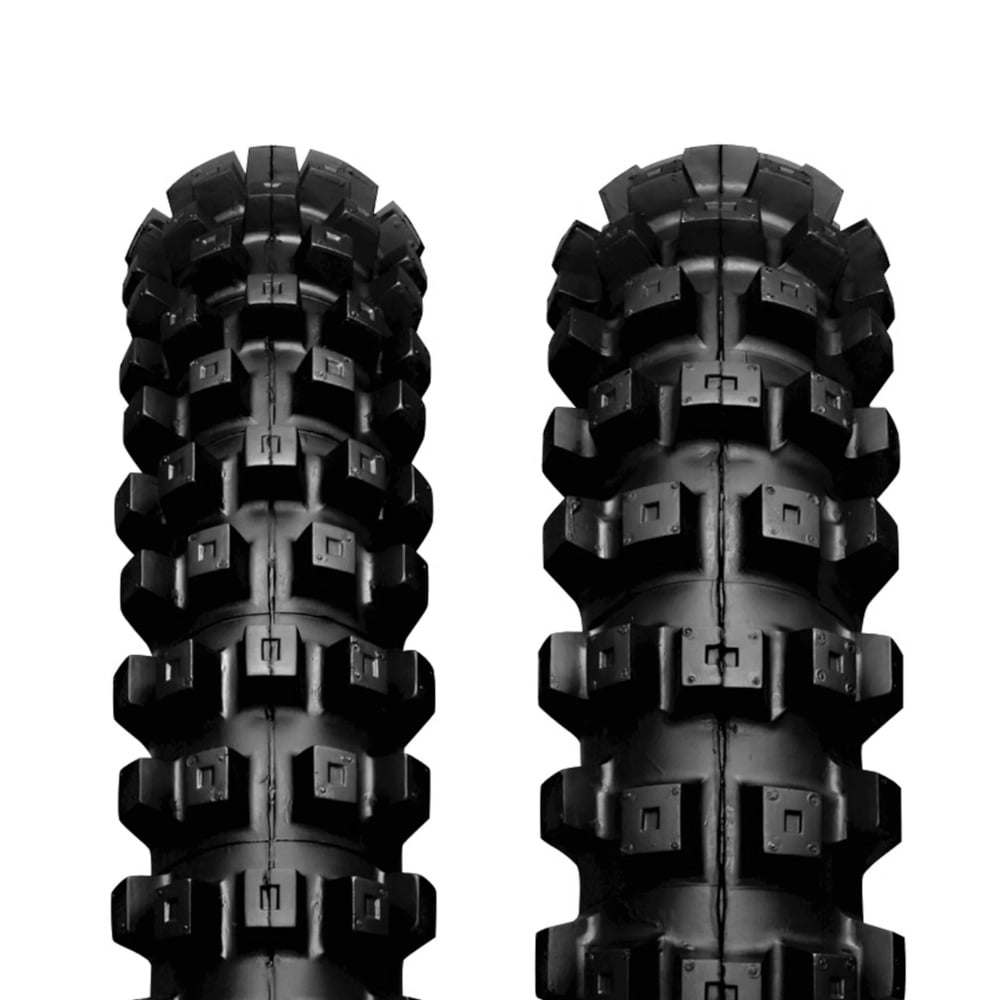
IRC
VE33 100/100-17 ENDURO 58M
122.95 $
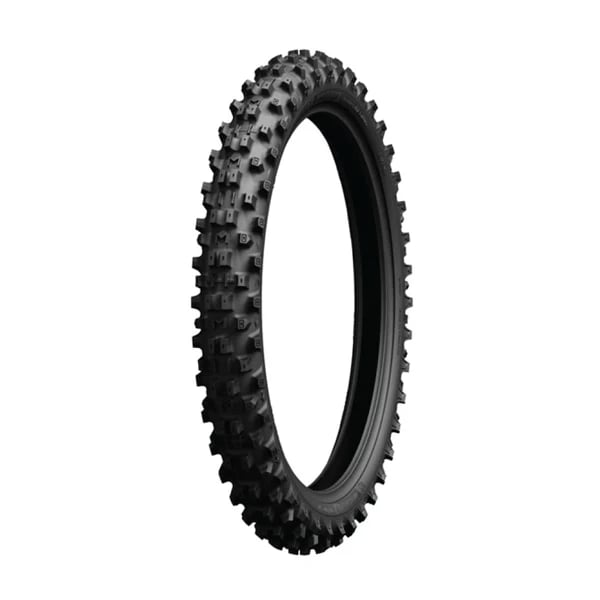
Michelin
90/100-21 54R ENDURO MD 2 FR TT
241.95 $
 PROMO
PROMOBridgestone
BattlaxCross E50 Extreme Tire
180.00 $