 Garage
SAAQ 2026: The Complete List of Mandatory Protective Gear for Riding a Motorcycle in Quebec
Starting in 2026, the SAAQ is mandating new protective gear requirements for motorcyclists in Quebec. Here's everything you need to know to ride legally and safely.
SAAQ 2026: The Complete List of Mandatory Protective Gear for Riding a Motorcycle in Quebec
If you ride a motorcycle in Quebec, you've probably heard about the new rules coming into effect in 2026. The SAAQ has announced significant changes to mandatory protective equipment requirements for motorcyclists. The goal is straightforward: reduce serious injuries on the road and improve overall safety. So what exactly is changing? Here's your complete breakdown, no fluff included.
Why Is the SAAQ Changing the Rules in 2026?
The SAAQ isn't pulling these new rules out of thin air. Accident statistics involving motorcyclists in Quebec have been concerning for years. A large portion of serious injuries — fractures, deep lacerations, traumatic brain injuries — could be significantly reduced if riders wore proper equipment at all times. Drawing inspiration from what's already standard practice in Europe and other Canadian provinces, the Quebec government is taking a meaningful step toward a stronger motorcycle safety culture.
The Mandatory Protective Gear Starting 2026
Here's the list of clothing and equipment you'll need to wear to legally ride a motorcycle in Quebec starting in 2026. Read carefully — the fines for non-compliance won't be light.
1. A Certified Helmet
Helmets were already mandatory — but the standards are tightening. Your helmet will now need to meet DOT, ECE 22.06, or SNELL certifications. That old helmet sitting in your garage for 10 years? It might be time to replace it. Helmets degrade over time even without impact, and non-certified helmets will simply no longer be accepted.
2. A Certified Protective Jacket
A motorcycle jacket with CE-certified protectors at the shoulders and elbows will be mandatory. Leather remains an excellent choice for its abrasion resistance, but modern technical textiles (like Cordura or Kevlar) are also accepted, provided the integrated protectors are certified. A regular hoodie — even a thick one — does not qualify as protective equipment.
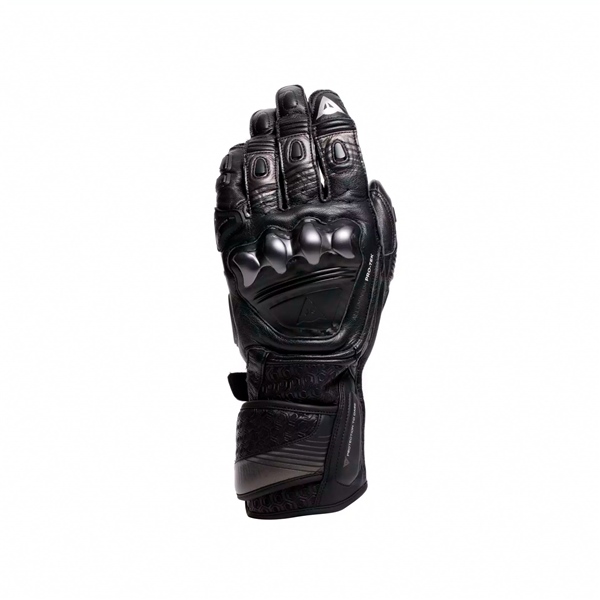
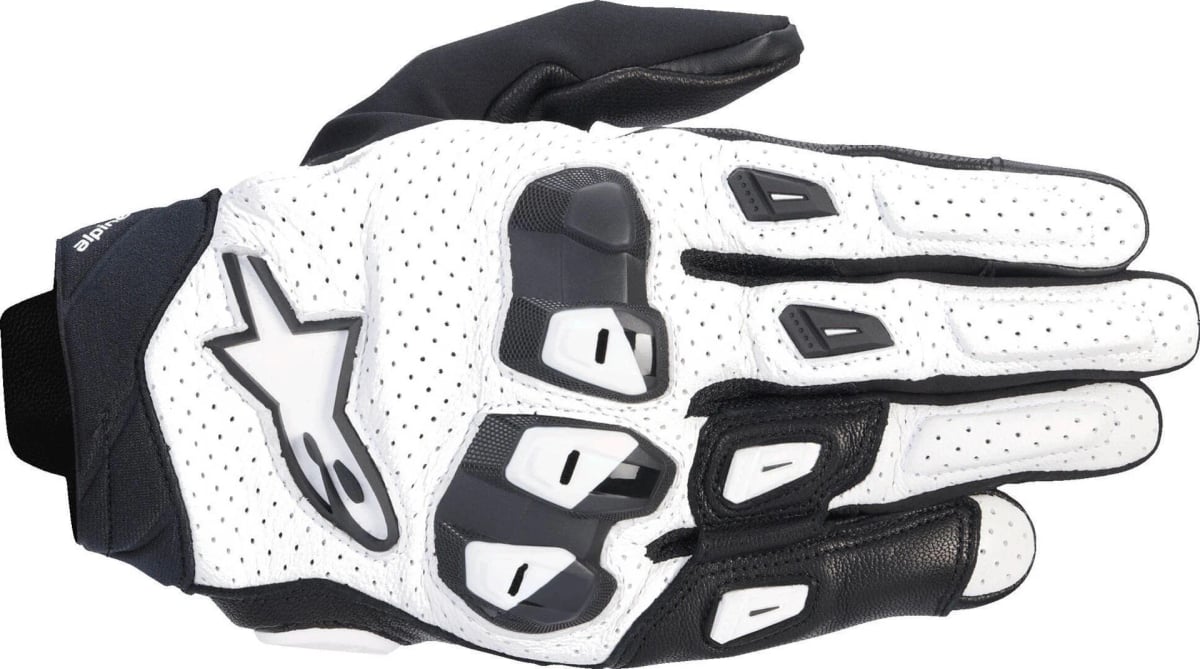
3. Certified Motorcycle Gloves
Hands are among the first body parts to hit asphalt in a fall. CE-certified motorcycle gloves with knuckle protection and reinforced palms will be required. This includes adequate wrist protection. Your work gloves or winter gloves won't cut it.
4. Pants with Protectors
Knees and hips are vulnerable. Pants with CE-certified knee and hip protectors will be mandatory. Again, leather or certified technical textile — both are accepted. Many modern motorcycle pants also offer optional integrated back protection, which is a significant bonus for your safety on the road.
5. Ankle-High Motorcycle Boots
Sneakers or sandals are no longer acceptable for riding. Over-the-ankle boots designed specifically for motorcycling with malleolus protection will be mandatory. Modern motorcycle boots combine comfort, style, and protection — there's really no excuse not to have a pair.
What This Means for You Practically
Practically speaking, if you're pulled over by law enforcement without the required gear, you're looking at a significant fine and demerit points on your license. But beyond the legal side, think about your own skin — literally. A crash at 50 km/h on asphalt without proper gear means weeks in the hospital. With the right equipment, you can often walk away with far less damage.
Tips for Choosing the Right Gear in Quebec
Quebec isn't exactly a Mediterranean climate. We have hot, humid summers, cold springs, and shoulder seasons where temperatures can swing from 5°C in the morning to 25°C by the afternoon. Here are some practical tips:
- Go for versatility: Gear with a removable liner will let you ride comfortably from May through August.
- Check certifications: Always look for the CE marking with a protection level (Level 1 or Level 2 — Level 2 being superior).
- Don't skimp on the helmet: It's your most important investment. A quality ECE 22.06 helmet can make all the difference.
- Try before you buy: Ill-fitting equipment offers less protection. Come in-store for a proper fitting.
- Replace after impact: Even if your helmet or protectors look intact after a fall, their internal structure may be compromised. Replace them.
Ready to Update Your Gear?
The new SAAQ rules are coming fast, and quality stock goes even faster. Whether you're an experienced rider or just starting your motorcycle season, now is the perfect time to evaluate your protection equipment.
At Mathias Power Parts, located in Saint-Mathias-sur-Richelieu, we have everything you need to ride legally and safely on every road in Quebec. Certified helmets, jackets, gloves, boots, pants — we'll help you find the gear that suits your riding style and budget.
👉 Visit mathiaspowerparts.com to browse our complete selection of motorcycle protective gear. We're here for you, online or in-store!
💬 Comments (0)
Sign in to leave a comment
Sign inLoading…
Recommended by the author
Products from this article
 PROMO
PROMOLS2
Dragon Full-Face Helmet
679.99 $
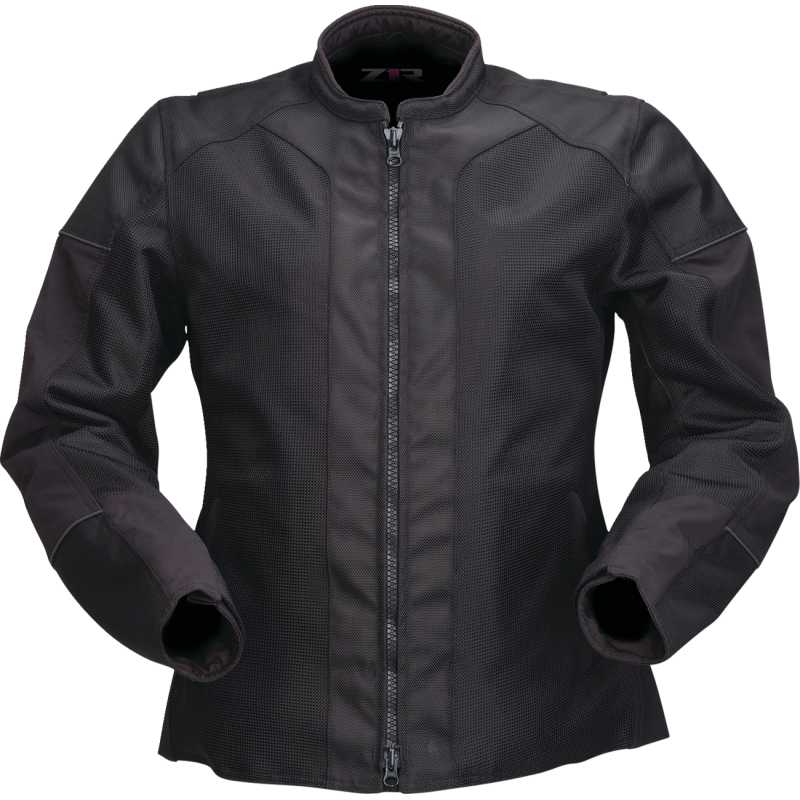
Z1R
JKT WMN ZEPHYR(25) BK 3W
229.95 $
Z1R
PANT WR COUNTER 4X
224.95 $
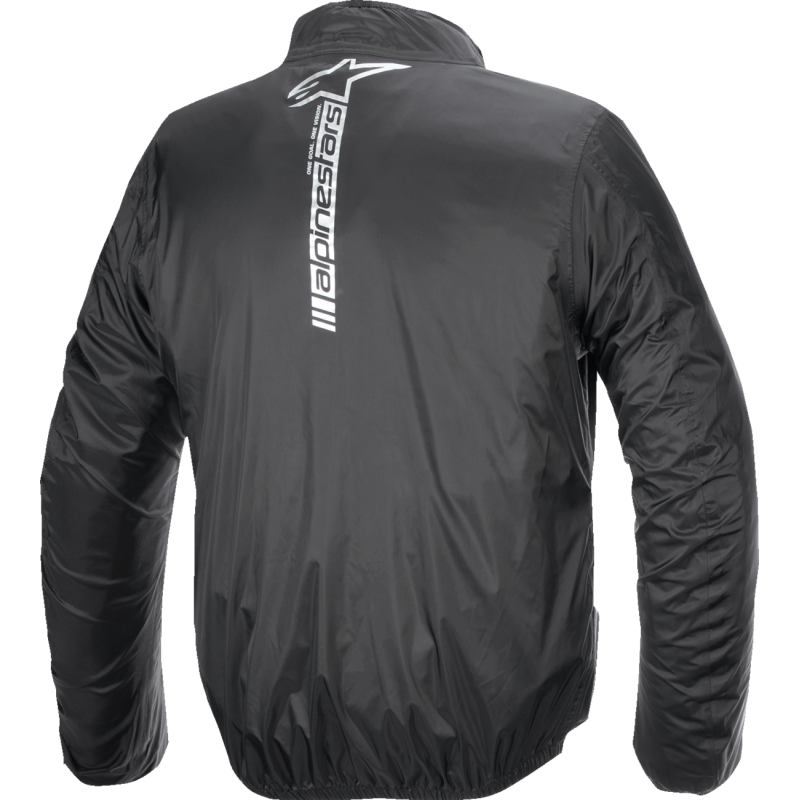
ALPINESTARS (ROAD)
JACKET RAIN HURRICANE V2 YL FLUO S
109.95 $
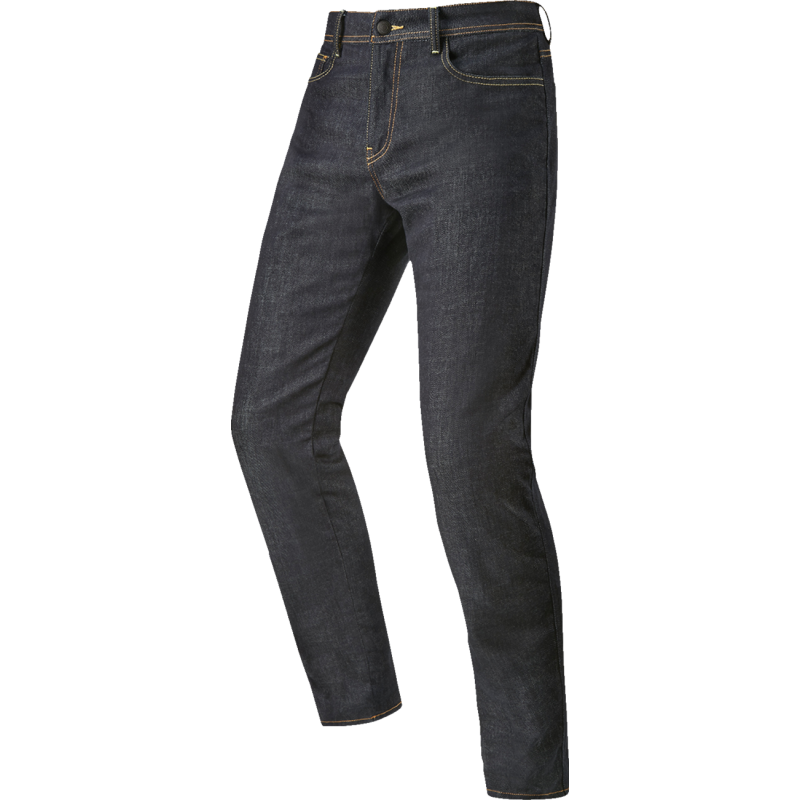
ALPINESTARS (ROAD)
PANT CULT-8 BLK 31
299.95 $
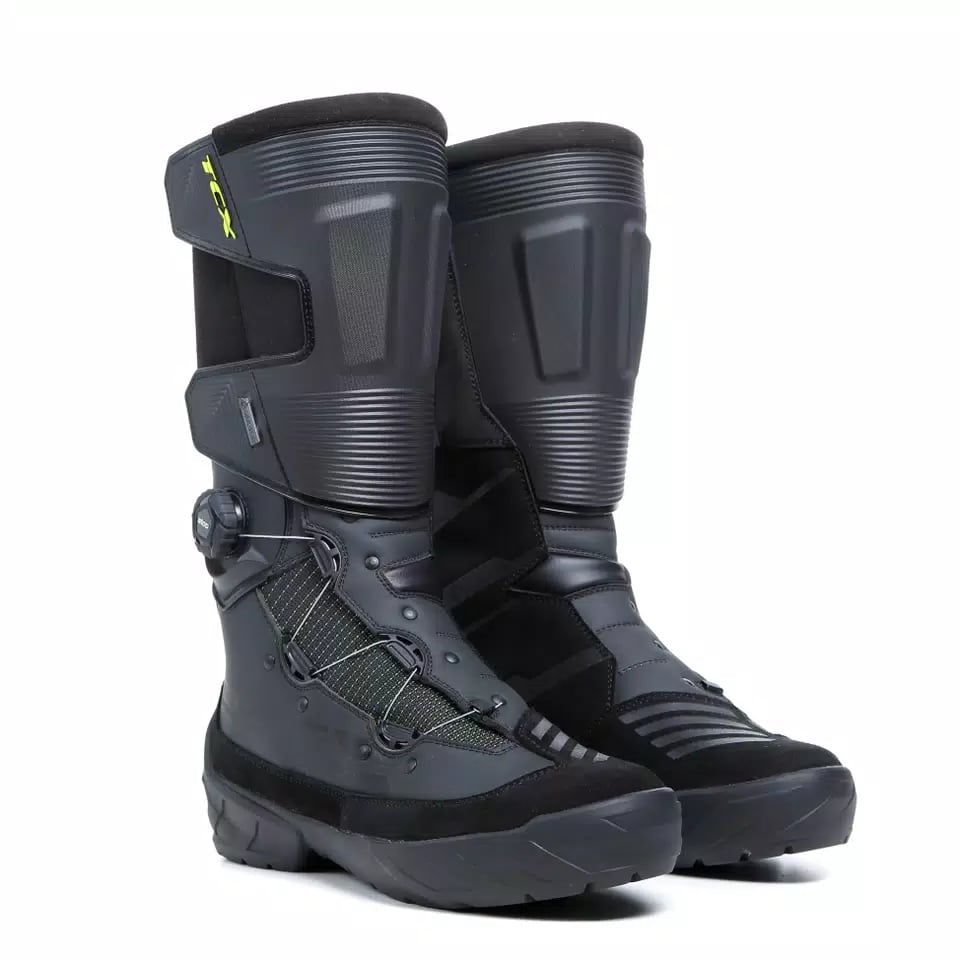
TCX Boots
INFINITY 3 GTX BLACK 40
596.95 $
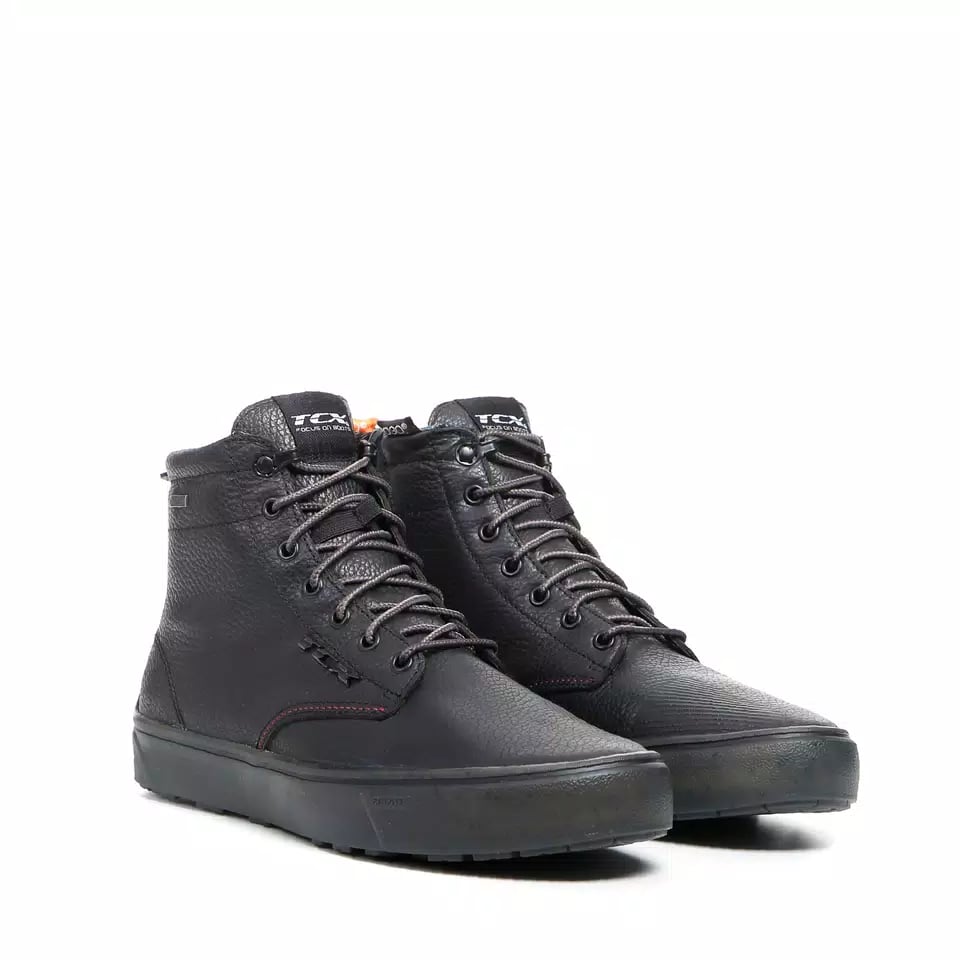
TCX Boots
DARTWOOD GTX BLACK 46
419.95 $
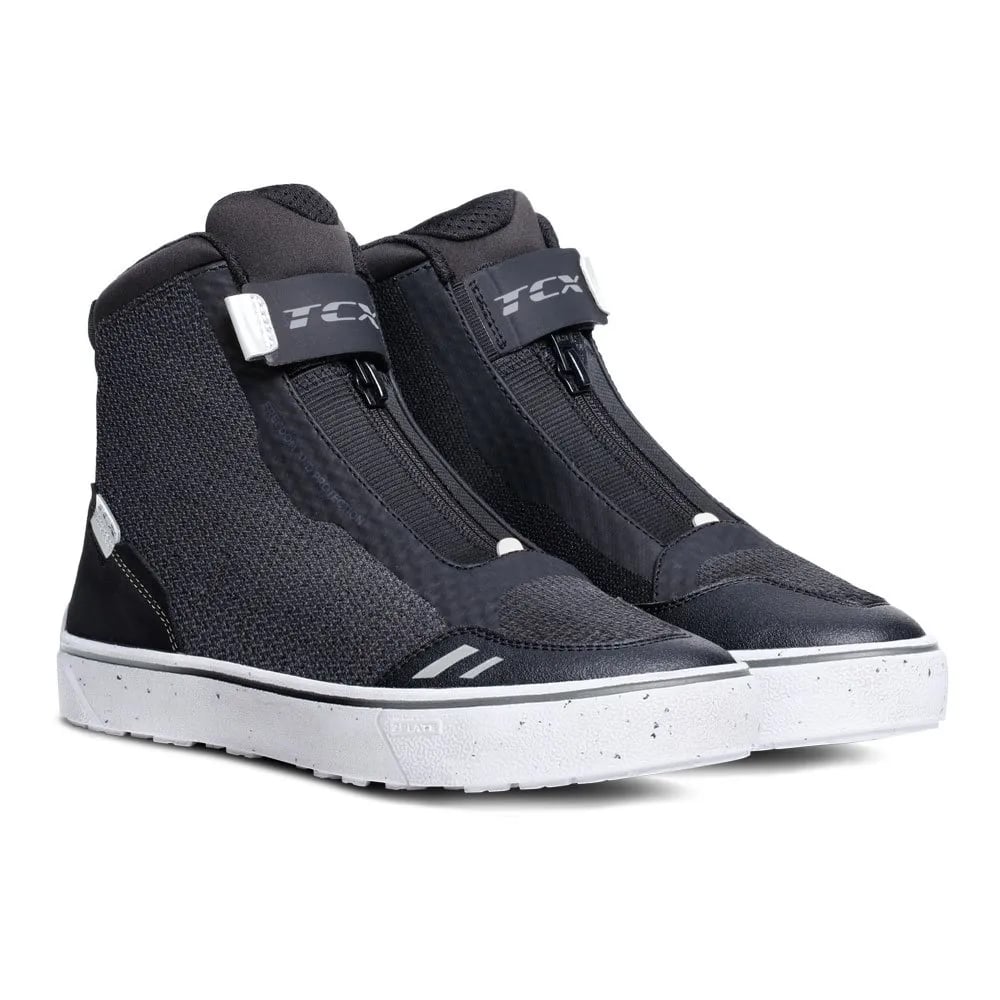
TCX Boots
IKASU 2 AIR BLACK/REFLEX 40
306.95 $
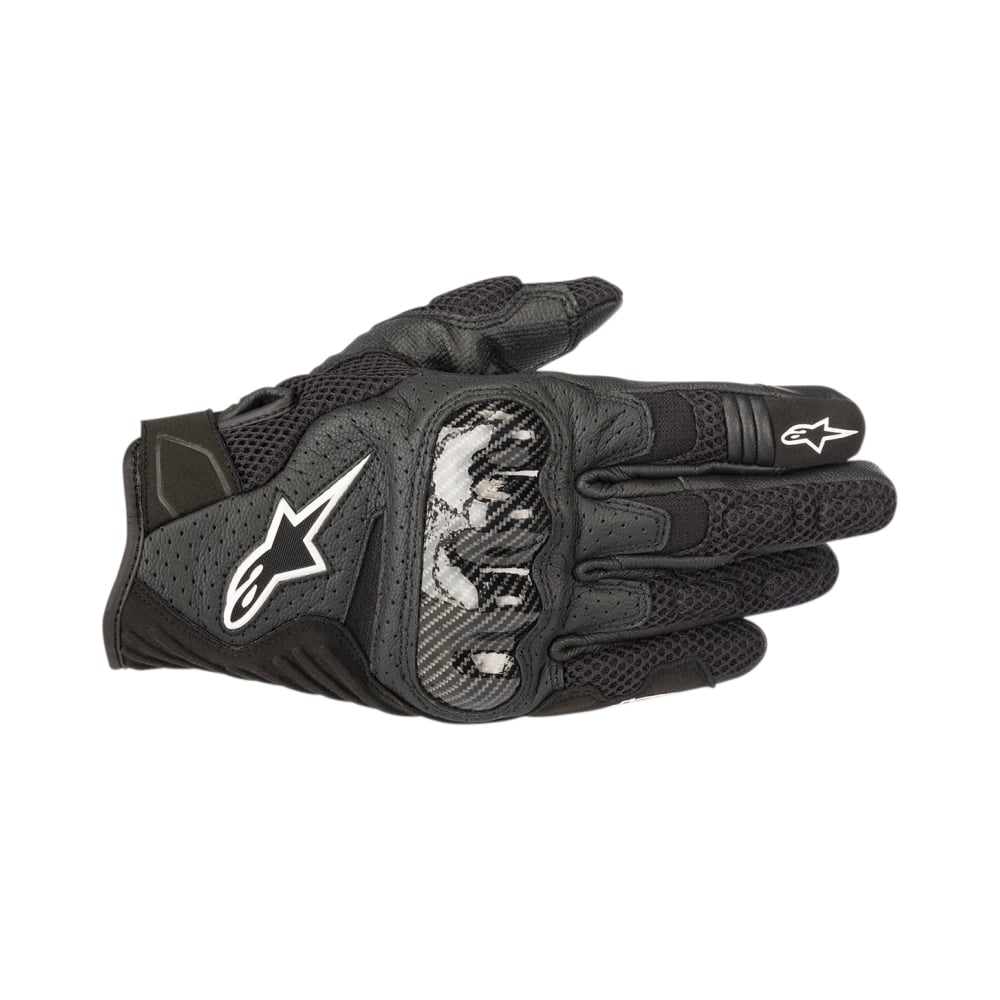 PROMO
PROMOALPINESTARS (ROAD)
GLOVES WT-1 DS BLACK S
139.95 $
Dainese
Fiero Metal Gloves
519.99 $
ALPINESTARS (ROAD)
GLOVE MOBLAST WP BLK/WHT S
149.95 $