 Garage
Bike & MTB Drivetrain: When Should You Really Change Your Chain and Cassette?
Knowing when to change your bike's chain and cassette is crucial for performance and saving money. We'll guide you on how to check for wear and when it's time to replace these key drivetrain components.
Bike & MTB Drivetrain: When Should You Really Change Your Chain and Cassette?
Hey there, cyclist! Whether you're a trail pro on your MTB or a speed demon on the road, your bike's drivetrain is the heart of your machine. A smooth-running drivetrain is pure joy. But a worn chain or a tired cassette? That's a recipe for imprecise shifting, annoying noises, and, most importantly, a bigger bill if you wait too long. So, the big question is: when should you change your chain and cassette?
The Chain: The First Part to Watch
The chain is the fastest-wearing part of your drivetrain. Over time and with mileage, it doesn't break, but it "stretches." In reality, the small pins between the links wear down, increasing the distance between each link. A stretched chain will mesh poorly with the teeth of your cassette and chainrings, causing them to wear out prematurely. That's where the problems (and costs) begin.
How to Test Your Bike Chain for Wear
Forget guesswork! The simplest and most accurate way to test your bike chain for wear is to use a chain wear indicator. It's a small, inexpensive tool that will save you a lot of headaches.
- Place the tool on your chain.
- If it indicates 0.5% wear, it's time to start thinking about changing it. Most 11 and 12-speed chains should be replaced at this point.
- If it indicates 0.75%, that's the alarm bell. You need to change the bike chain immediately to have a chance of saving your cassette. This is the limit for most 8, 9, and 10-speed chains.
- If the wear exceeds 1.0%, it's almost certain that your cassette is already damaged. You'll likely need to replace both the chain and cassette at the same time.
What is the Lifespan of a Bike Chain?
The lifespan of a bike chain varies enormously. A road cyclist who rides in dry conditions and meticulously cleans their drivetrain can get 5000 km or more. An MTB enthusiast tackling the mud and dust of Quebec trails might need to change it after 1500 km. The secret is to check it regularly with your tool, not to rely on mileage.
The Cassette: The Victim of a Neglected Chain
The cassette is the set of cogs on your rear wheel. Its teeth are designed to perfectly accommodate a new chain. When a worn chain works on the cassette, it grinds down the teeth, giving them a pointed shape, much like shark fins.
When to Change Your MTB or Road Bike Cassette
There are two main signs it's time to change your cassette:
- Visual Inspection: Look at the teeth of your favorite cogs (the ones you use most). If they look pointed and scooped out instead of flat on top, that's a bad sign.
- The New Chain Test: The clearest symptom is when you install a new chain and it "skips" on the old cassette's cogs under load (like when climbing a hill). This means the cassette is too worn for the new chain. In this case, you have no choice but to replace it.
As a general rule, you can go through 2 or 3 chains before needing to change a cassette, as long as you change your chain on time (before that crucial 0.75% wear mark)!
Our Tips for a Longer Drivetrain Life
- Cleanliness is key! A clean drivetrain is a long-lasting drivetrain. After a muddy or dusty ride, take the time to degrease and clean your chain, cassette, and chainrings.
- Lubricate, but not too much. Apply a drop of the right lube (dry for dry weather, wet for wet weather) to each link of the chain, let it soak in, and then wipe off the excess. Too much lube attracts dirt.
- Avoid cross-chaining. Avoid being in the big chainring in the front and the biggest cog in the back (and vice-versa). This puts a huge amount of stress on the chain and accelerates wear.
- Check it often! Make a habit of checking your chain with your wear indicator once a month. It takes 10 seconds and can save you a lot of money.
The Final Word
Taking care of your drivetrain isn't that complicated. With a simple chain wear indicator and a little discipline with cleaning, you can extend the life of your components, ensure smooth shifting, and, most importantly, save money. A small investment in time and tools will pay you back big time in riding enjoyment!
Ready to give your drivetrain some new bite? Shop for your chains, cassettes, and maintenance tools on MathiasPowerParts.com!
💬 Comments (0)
Sign in to leave a comment
Sign inLoading…
Recommended by the author
Products from this article
 PROMO
PROMOOxfordMint
Mint Dry Weather Lube
16.19 $
 PROMO
PROMOOxfordMint
Wet Weather Extreme Lube
16.19 $
 PROMO
PROMOOxfordMint
Wet All-Weather Mint Endurance Lube
16.19 $

PEATYS
PT LINKLUBE STARTER PACK 60ML
49.99 $
PEATYS
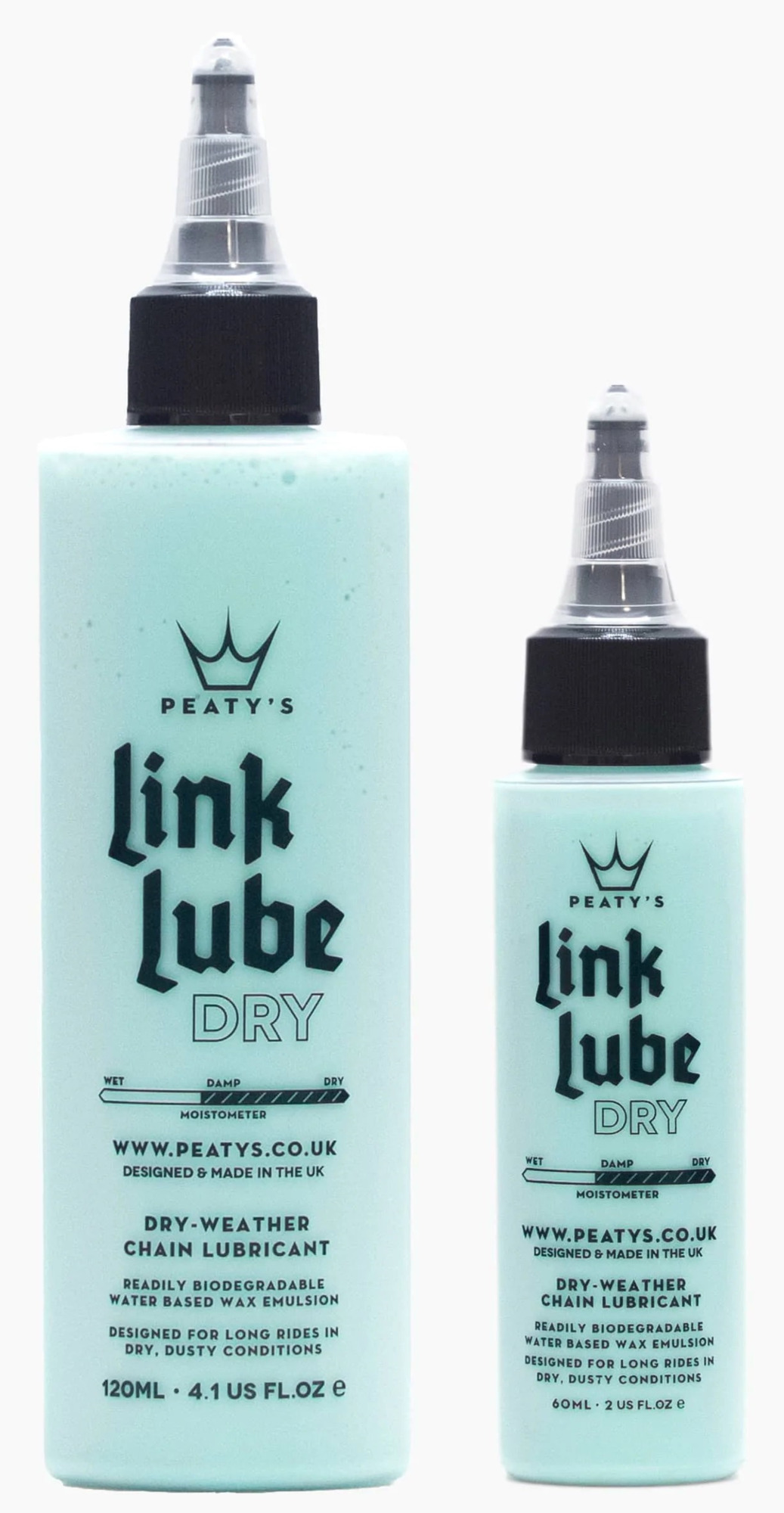
PT DRY LINKLUBE 60ML
20.99 $
PEATYS
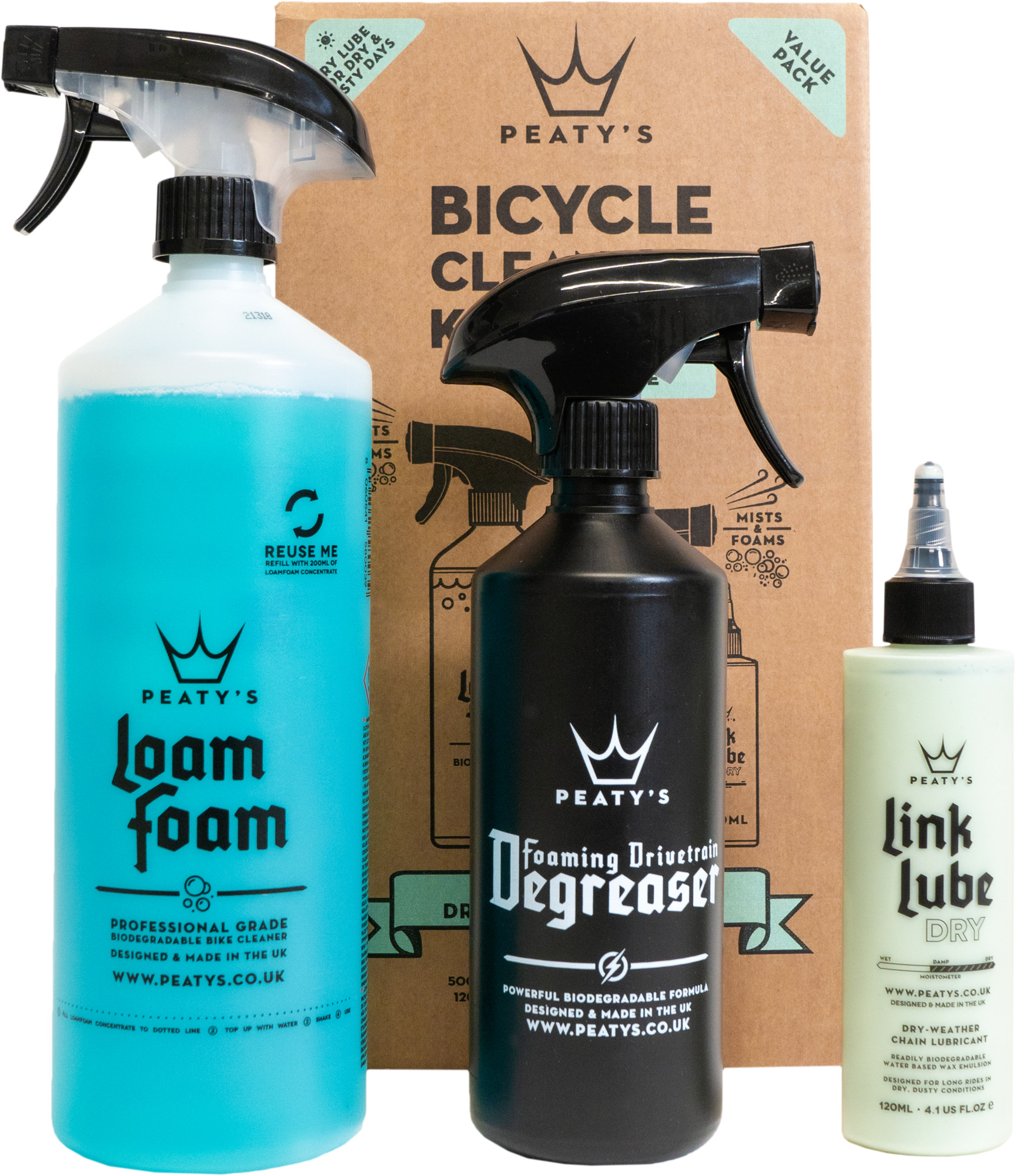
PT CLEAN DEGREASE DRY LUBE BOX
69.99 $
PEATYS
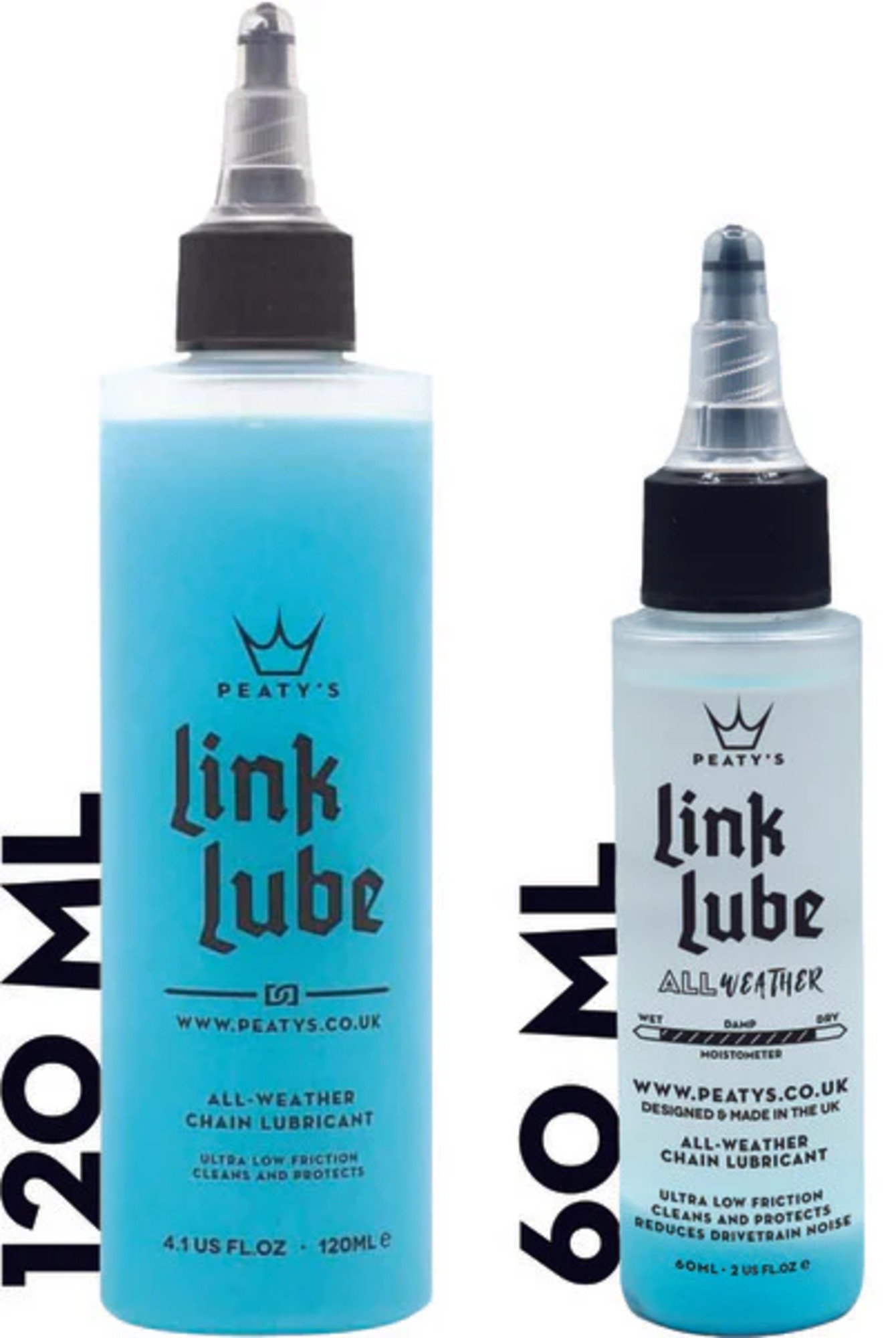
PT ALL WEATHER LINKLUBE 60ML
19.99 $
PARK TOOL
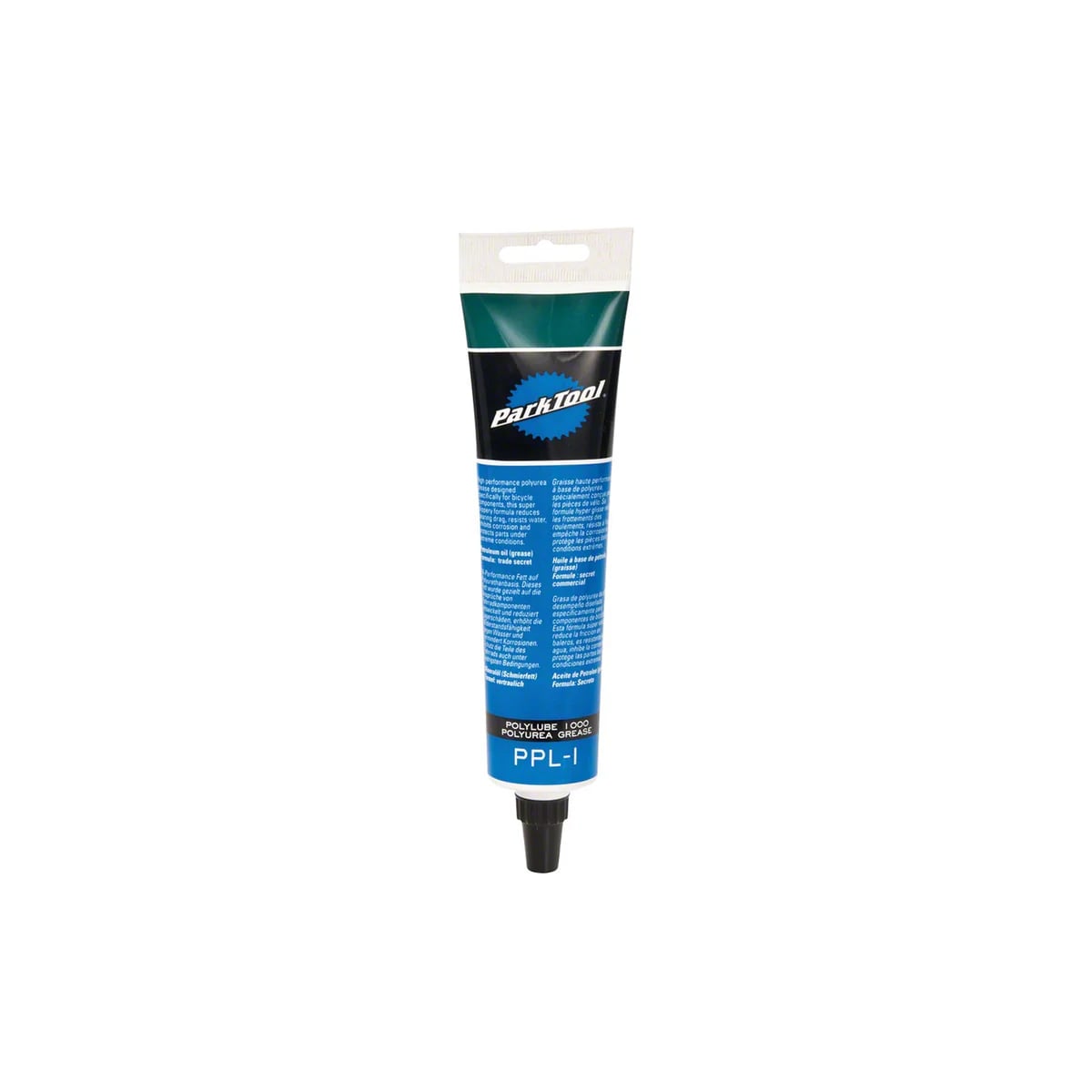
PARK PPL-1 POLY LUBE 4OZ TUBE
19.99 $
 PROMO
PROMOMOTION PRO
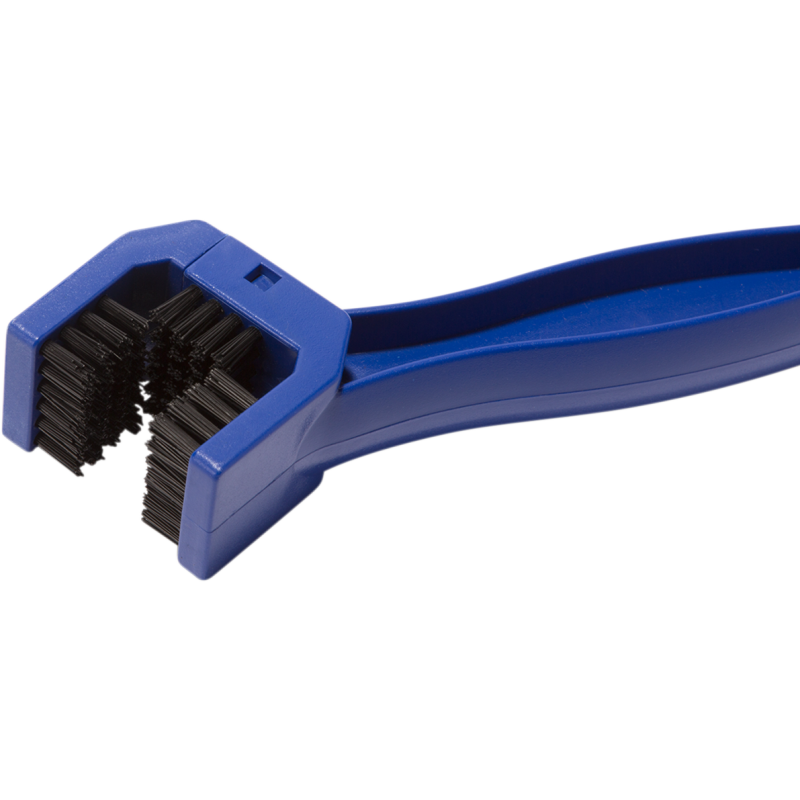
BRUSH-CHAIN
18.95 $